Zimbabwe Bill to Replace Presidential Elections with Parliamentary Vote Approved
Zimbabwean lawmakers have passed a bill to change presidential elections to parliamentary votes, prompting concerns about democracy and governance in the country.
In Harare, Zimbabwe, lawmakers have recently approved a controversial bill that proposes to replace direct presidential elections with a parliamentary vote. Proponents argue that this initiative will enhance policy continuity, while critics express concern that it could undermine democratic accountability and solidify the ruling party's control over the political landscape.
Barnabas Gura, a 38-year-old resident of Glen View in Harare, voiced his disbelief at the prospect of parliamentary members electing a president on behalf of the nation. "Only 210 members of parliament vote on behalf of a population of 15 million. It is preposterous," Gura stated during an interview with Al Jazeera.
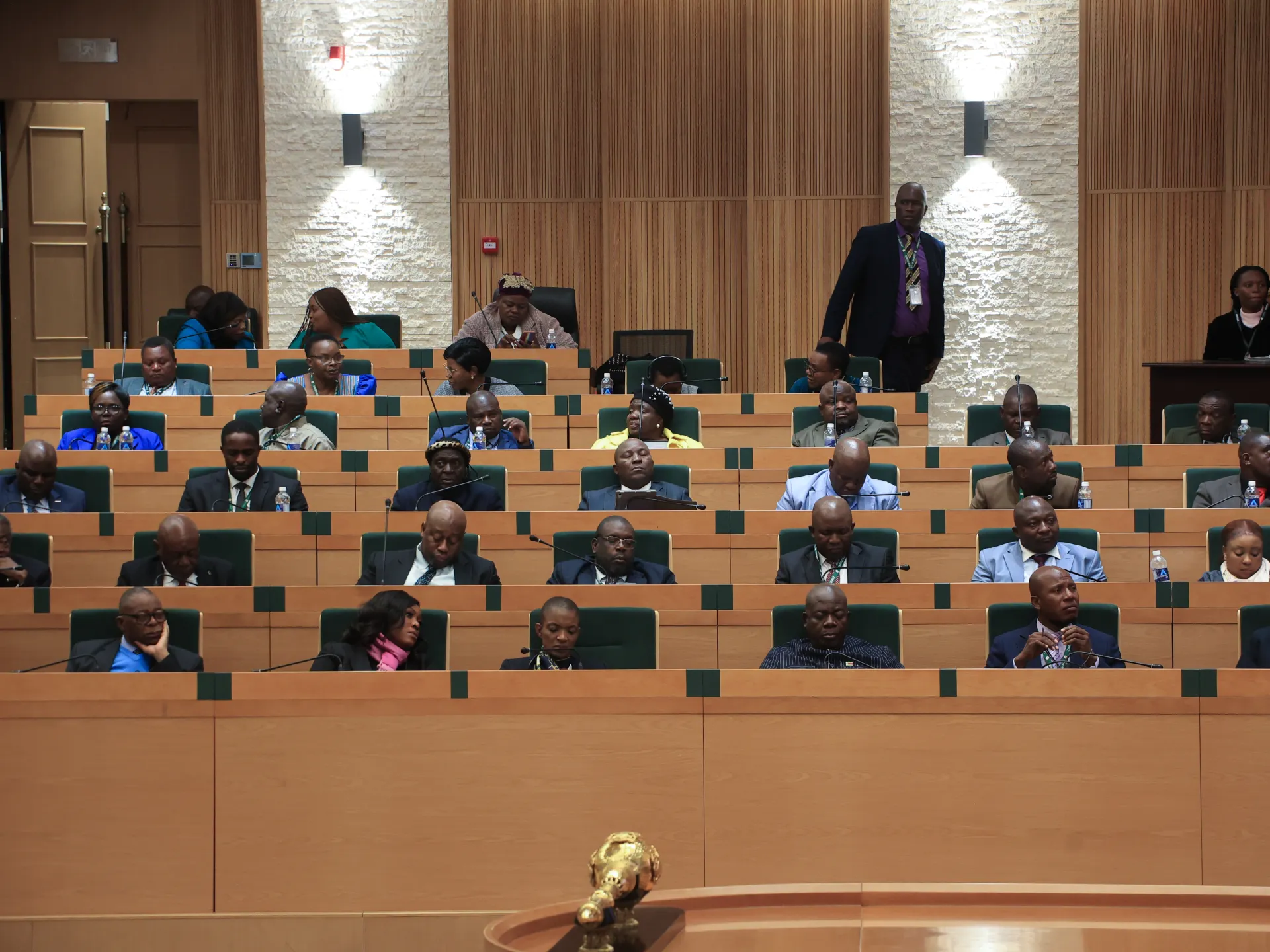
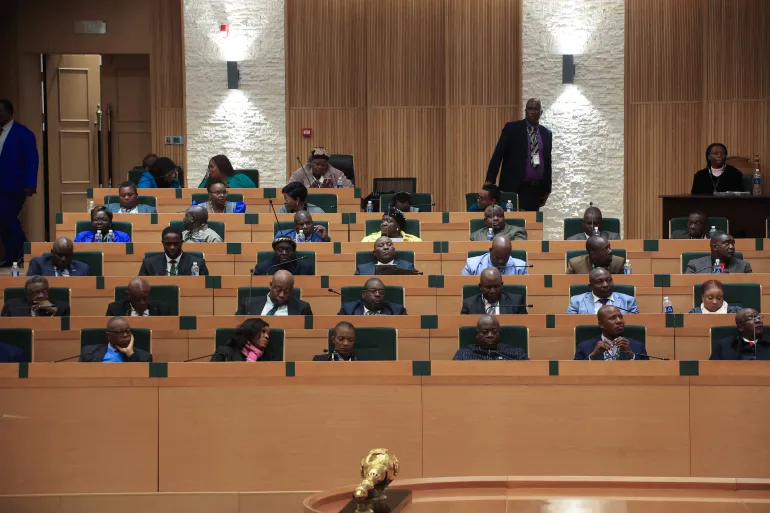
On Thursday, the National Assembly passed Constitutional Amendment Bill No 3, with 216 lawmakers voting in favor and 42 opposing the measure. The bill is now set to proceed to the Senate, where it is anticipated to gain the necessary two-thirds majority for constitutional amendments.
The proposed legislation seeks to amend the 2013 Constitution of Zimbabwe by transitioning the election of the president to a joint session of the Senate and National Assembly, rather than through direct public vote.
Justice Minister Ziyambi Ziyambi, who sponsored the bill, dismissed accusations that the changes would destabilize Zimbabwe's constitutional order. During parliamentary discussions on June 3, he asserted that the bill represents a "continuation" rather than an abandonment of the constitutional framework. Ziyambi emphasized that the proposal is based on practical experiences and aims to refine existing constitutional provisions for better functionality.
Ziyambi also addressed misinformation surrounding the bill, clarifying that it does not extend the president's term, does not eliminate voting rights, and does not centralize power within the presidency. Despite these assurances, opponents argue that the amendments could enhance President Emmerson Mnangagwa's control over the political system, potentially allowing him to extend his tenure beyond 2028.
Supporters of the bill, including members from both the ruling Zimbabwe African National Union–Patriotic Front (ZANU-PF) and the opposition Citizens Coalition for Change (CCC), claim that the changes would foster long-term policy consistency, enabling Mnangagwa to fulfill his development agenda. However, critics like Gura argue that extending Mnangagwa's presidency would not alleviate the struggles faced by Zimbabweans living in poverty. "Mnangagwa has failed for the past eight years. Only a few who are close to the ruling class are benefiting. More time will not make any difference," he remarked.
ZANU-PF has maintained power since Zimbabwe's independence in 1980, with Mnangagwa assuming the presidency in November 2017 following the ousting of former President Robert Mugabe due to military intervention. Under the current constitutional framework, Mnangagwa is scheduled to leave office in 2028.
Pride Mkono, a social justice advocate, expressed that the amendment would further entrench ZANU-PF's political dominance. He noted that since independence, the party has faced limited opposition, particularly after the Movement for Democratic Change emerged in 2000. Mkono believes that the country is heading towards a one-party state dominated by a select group of individuals.
Mkono criticized the proposed bill, arguing that it would lead to ongoing economic decline and social service failures. He stated, "It means a continuation of economic and social services collapse and mass impoverishment of the masses."
Obert Masaraure, the president of the Amalgamated Rural Teachers’ Union of Zimbabwe (ARTUZ), warned that the amendment would significantly undermine Zimbabwe's fragile democracy. He claimed that the proposed changes would allow the executive to act in collusion with elites to exploit national resources without accountability.
Gura, representing the youth perspective, expressed concern that the removal of direct presidential elections would limit citizens' ability to hold leaders accountable. He described the bill as a "direct attack on accountability and transparency," citing ZANU-PF's past failures to deliver on promises made during the 2018 elections.
A parliamentary committee report presented earlier this month claimed that 99.4 percent of submissions received during nationwide consultations supported the bill. However, the consultation process has faced allegations of intimidation and violence against opponents. Activists report that suspected state security agents have abducted and tortured those who opposed the bill.
In Chiredzi, ZANU-PF youths reportedly assaulted activist Gilbert Mutebuki to prevent him from voicing his opposition during a public hearing in late March. Gura similarly stated that he and others were denied opportunities to express their dissent against the proposal.
Rawlings Magede, a senior program lead at Heal Zimbabwe Trust, contested the parliamentary committee's findings, asserting that the reported support for the bill does not reflect the true sentiments of the populace. "It is not true that most people are in support of the bill. Those supporting it are only a few who think that by supporting the bill, they will get some rewards. People are desperate for gifts," Magede explained.
The ruling party, ZANU-PF, holds a dominant position in both the National Assembly and the Senate, which was further solidified after the 2023 elections. Following these elections, Senator Sengezo Tshabangu recalled several CCC legislators, reinforcing ZANU-PF's majority. Critics argue that many remaining opposition lawmakers are politically vulnerable due to Tshabangu's influence.
Mkono noted that despite ZANU-PF's two-thirds majority, the passage of the bill was certain from the outset. He criticized the decision to conduct an open vote by show of hands, describing it as a method of intimidation that curtailed the ability of lawmakers to express their true views.
Controversial businessman Wicknell Chivayo, an ally of Mnangagwa, has faced allegations of attempting to sway lawmakers through cash and vehicle gifts. In April, he reportedly offered $3.6 million to legislators for passing the bill but withdrew the offer after facing public backlash. During parliamentary debates, Chivayo was seen providing vehicles and cash to supportive MPs, which critics have labeled as inducements.
Tatenda Chikumbu, a resident of Kambuzuma, expressed skepticism towards the integrity of lawmakers, questioning their ability to represent the public if they can be bribed. "If they can be bribed and vote for the bill, how can I trust them to vote for the president once the amendment is done?" Chikumbu asked.
Opposition MP Susan Matsunga, who accepted a vehicle from Chivayo, supported the bill during recent debates. Notably, more than 30 opposition lawmakers voted in favor of the bill in the National Assembly.
As the bill advances to the Senate, opponents are increasingly turning to the judiciary for recourse. Mkono suggested that while legal challenges might delay the process, political mobilization remains the most effective response. He called for the formation of social movements to unite concerned Zimbabweans in opposition to the bill.
Several legal actions are already underway. Some citizens are suing their MPs for backing the bill, while others are challenging provisions that could extend Mnangagwa's term. Human rights activist Youngerson Matete has approached the High Court to halt the bill's enactment without a referendum. Nevertheless, many Zimbabweans have lost faith in the judiciary, which is often criticized for its lack of independence. The Constitutional Court has already dismissed some cases based on procedural technicalities.
For Gura, the implications of the proposed constitutional changes extend beyond immediate political concerns; they will significantly influence the future that the next generation will inherit. "This is a direct attack on accountability and transparency," he reiterated.