US Officials Clarify Iran Agreement Text, Emphasizing Backchannel Commitments
US officials are addressing the vagueness of the Iran agreement text, highlighting significant backchannel commitments that are not reflected in the document, as negotiations continue ahead of a major signing.
U.S. officials have characterized the text of the Iran agreement as vague and have emphasized that significant commitments exist through backchannel discussions, despite the yet-to-be-released document's lack of specifics. The memorandum of understanding outlines Iran's financial relief and oil sales but lacks detailed provisions regarding uranium destruction, according to the officials.
Negotiators are working to expedite the release of the agreement's text between Washington and Tehran, while officials downplay the importance of its specific language. They describe the text as primarily designed to create a favorable atmosphere for upcoming technical discussions, allowing Iran to present it positively to its domestic audience.
Vice President JD Vance noted that the memorandum is approximately one-and-a-half pages long and does not adequately reflect critical backchannel commitments made by Iran to the U.S., which have contributed to U.S. confidence in proceeding with the arrangement. One official stated, "People shouldn’t read too much into the language of the MOU," calling it a "political document."
The official further explained the significance of the understandings between the U.S. and Iran, asserting that the agreement outlines plans for sanction relief, nuclear negotiations, and the unfreezing of funds, contingent upon progress made in subsequent discussions. They emphasized, "What’s more important than the actual document is the understandings we have with each other."
The agreement reiterates that Iran will not pursue nuclear weapons, a commitment also made in the 2015 nuclear deal under the Obama administration, but lacks specifics on Iran's commitments regarding its stockpile of highly enriched uranium. U.S. officials assert that Iran has communicated through backchannels its willingness to meet the concessions sought by the Trump administration, including U.S. involvement in the destruction of enriched materials alongside the International Atomic Energy Agency.
In contrast, the text of the agreement specifies financial relief for Iran, including access to a $300 billion development fund upon compliance with its commitments. Both President Trump and Vice President Vance have clarified that this fund will not be financed with U.S. taxpayer dollars. The details surrounding the unfreezing of Iranian assets remain ambiguous, indicating that they will be made available as progress is made in negotiations without a clear timeline.
The memorandum also allows Iran to sell its oil and petrochemical products immediately after signing, with the U.S. expected to issue sanction waivers to facilitate these sales. A U.S. official described the agreement as "performance-based," stating that Iran will only benefit from the MOU if it adheres to all agreed points, including commitments to nuclear non-proliferation and ensuring safe navigation in the Strait of Hormuz.
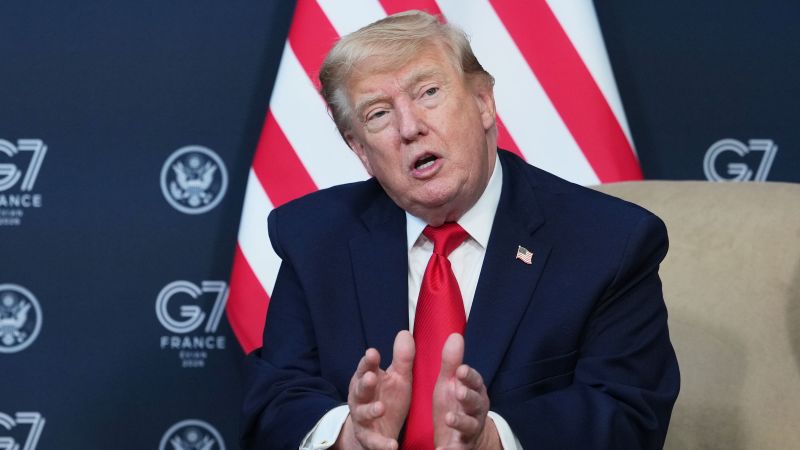
While the U.S. has yet to publicly release the agreement's text, copies have reportedly circulated among European and G7 officials attending the Group of 7 summit in France. Leaders have been urging President Trump for clarification during discussions held in Évian-les-Bains. The secrecy surrounding the agreement has drawn criticism even from Trump’s supporters, who question the necessity of keeping a signed framework confidential.
Publicly, Vance has stated that the U.S. intends to release the agreement, citing "diplomatic procedures" that require sequencing the rollout with Iran and mediating countries. He remarked, "The Qataris and the Pakistanis have been mediating this entire negotiation with the Iranians, and they’ve asked us effectively to sequence the way that we roll this out."
Internally, some Trump officials are eager to disclose the agreement text but are allowing Iran the space to manage its internal processes. One official mentioned, "We want the text to be out there. They asked us to wait until Friday to put it out, but we’re asking if we could put it out sooner, and we might be able to do that."
A complicating factor in the process is Iran's supreme leader, Mojtaba Khamenei, who has reportedly given tacit approval of the memorandum. There are ongoing internal discussions regarding whether Khamenei might issue a statement prior to the formal signing ceremony scheduled for Friday in Switzerland. Publicly releasing the text could complicate this process, officials noted.
President Trump indicated he is awaiting a formal setting to publicly release the document, expressing pride in the material and claiming he could recite it verbatim. He suggested that the forthcoming negotiations would be "easier" than the initial discussions, with one administration official describing the next phase as a trial period for Iran.
The upcoming 60-day period will involve in-person negotiations between U.S. and Iranian delegations, starting this Friday. This timeframe will allow Trump officials to assess Iran's seriousness about fulfilling its commitments and the extent of its willingness to make nuclear concessions. An official stated, "We’re more focused on the long-term of getting the deal, which is more the substance and building the trust, which is more important than managing the narrative."