A new peace agreement between the US and Iran raises questions about Iran's nuclear program and the geopolitical landscape of the Middle East, highlighting a generational shift in Iran's leadership.
The United States and Iran have recently reached a new peace agreement, but significant issues remain unresolved, including Iran’s nuclear program, the status of the Strait of Hormuz, and the potential impact of Israel's ongoing conflict in Lebanon on these developments.
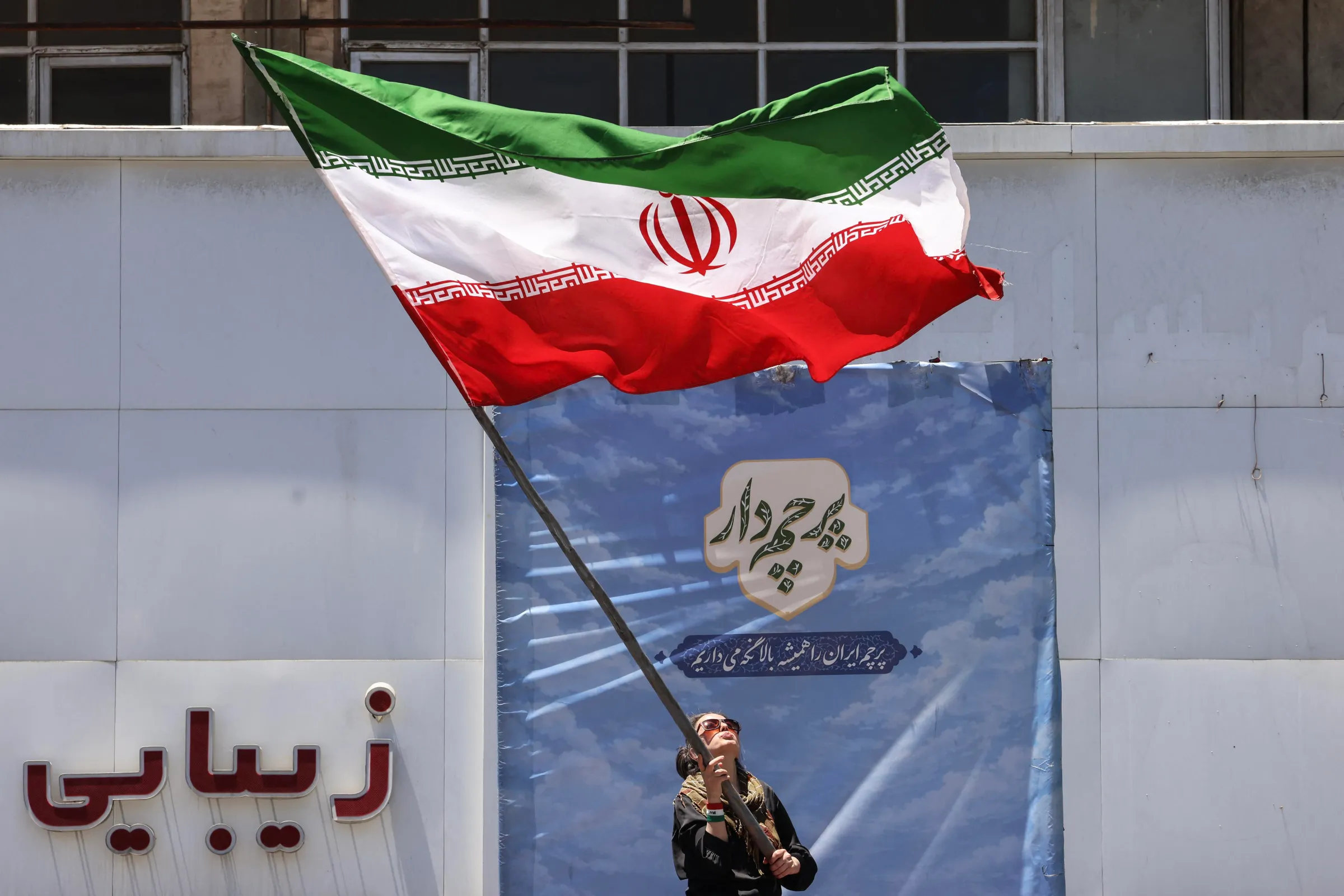
Experts on Iran, Narges Bajoghli and Vali Nasr, discussed the implications of the war in a forthcoming issue of Foreign Affairs. They noted that instead of weakening Iran, the war has unexpectedly strengthened the country in various ways. They stated, "To survive and establish new strategic advantages, the Islamic Republic had to adapt and innovate, changing how it waged war, ran the state, and managed society."
Bajoghli, a professor at the Johns Hopkins School of Advanced International Studies, recently appeared on the podcast Today, Explained, where she elaborated on how the conflict has altered Iran’s governance and its influence on a global scale, while simultaneously diminishing the United States' authority in the region.
The conversation highlighted the initial justifications for the war, which included preventing Iran from acquiring a nuclear weapon and inflicting a significant blow to the Islamic Republic. However, the true nature of the conflict remained ambiguous. Bajoghli pointed out that the narrative shifted several times, with moments when the war was framed as a means to liberate the Iranian people, alongside claims of crippling Iran’s nuclear capabilities.
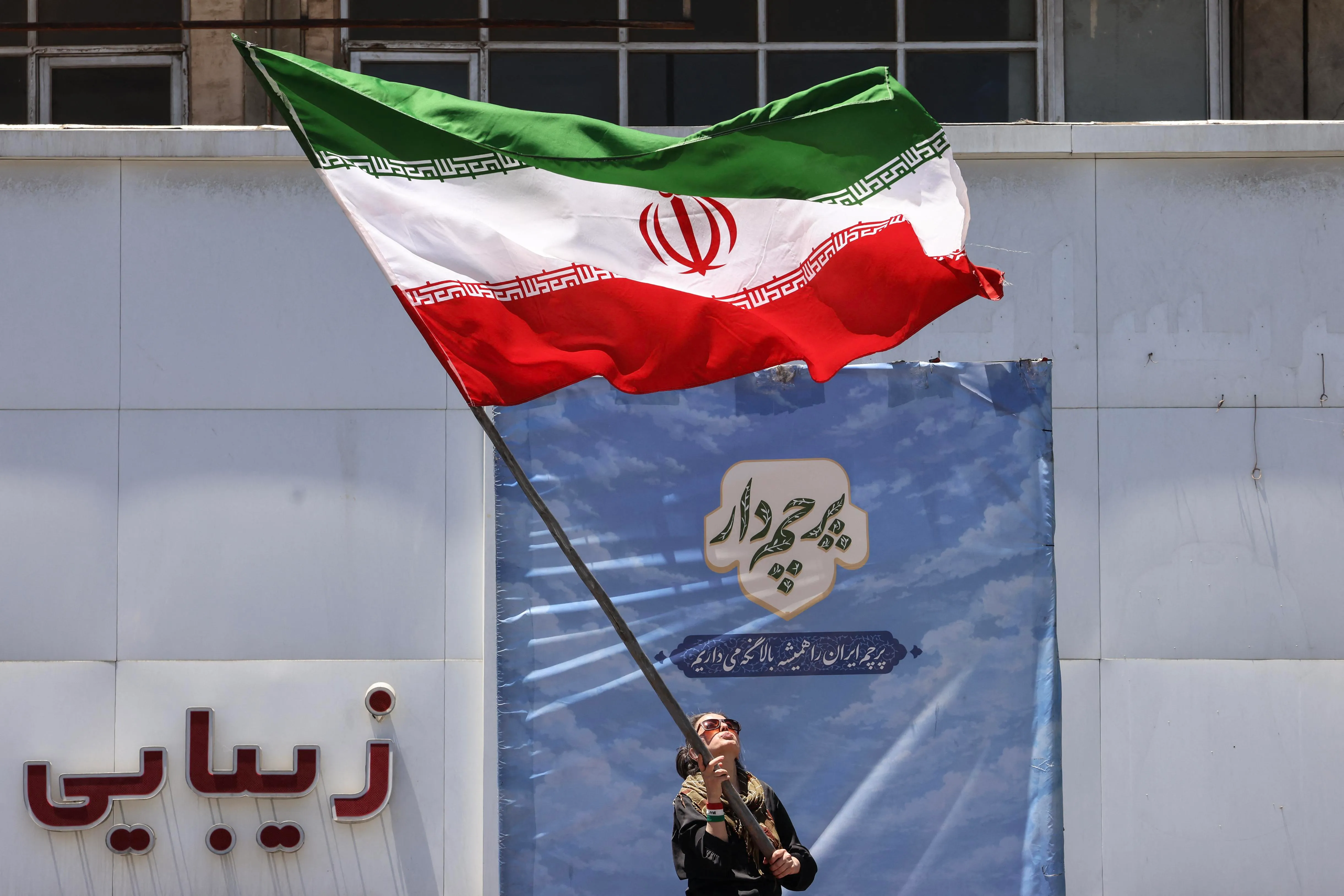
Three and a half months into the conflict, a younger generation has emerged in Iran, characterized by a newfound boldness and reduced fear of the United States. The control of the Strait of Hormuz, previously not firmly held by Iran, has shifted in its favor, with Iran asserting demands for Israel to withdraw from Lebanon – conditions unimaginable just months earlier in February 2026.
This new leadership in Iran is often summarized as more hardline, particularly with the ascent of a new ayatollah. However, Bajoghli noted that this characterization oversimplifies the complexities of the current regime. The leadership is not solely dictated by one figure, as the political landscape in Iran is dynamic and involves considerable debate and discussion.
The current regime is led by Moshtaba Khamenei, the son of the former leader, representing a generational shift within the Iranian political landscape. This younger leadership, which grew up after the revolution, exhibits a confidence that contrasts with the previous generation's sense of inferiority towards American power.
Bajoghli emphasized that this new generation is less focused on the ideological advancement of the revolution and more concerned with effective governance. They have demonstrated their capability to manage wartime operations efficiently, leading to a perception among the Iranian populace that life remained stable during the conflict, despite the sounds of warfare.
This shift in governance indicates a move towards a technocratic approach, as the younger generation aims to apply their expertise not only in military matters but also in overall state management. The effectiveness of this approach remains a critical question moving forward.
The war has also significantly altered the balance of power in the Middle East. The United States had established a security framework in the region following the first Gulf War, pledging protection through military bases and promising economic opportunities. However, the recent conflict has led Gulf countries to reevaluate their reliance on US military presence, which they now perceive as a liability.
Iran, a country comparable in size to Western Europe, is emerging as a dominant regional force. The Gulf states have begun to recognize the necessity of coexisting with Iran, moving away from the previously held notion of American protection. This shift has resulted in a fundamental transformation of the Persian Gulf region, where Iran is expected to assert its influence more decisively than before.
As this new generation of Iranian leadership adopts a more confrontational stance, they are prepared to engage in a prolonged struggle, signaling that they will not concede easily, even if it comes at a cost to their own economy.