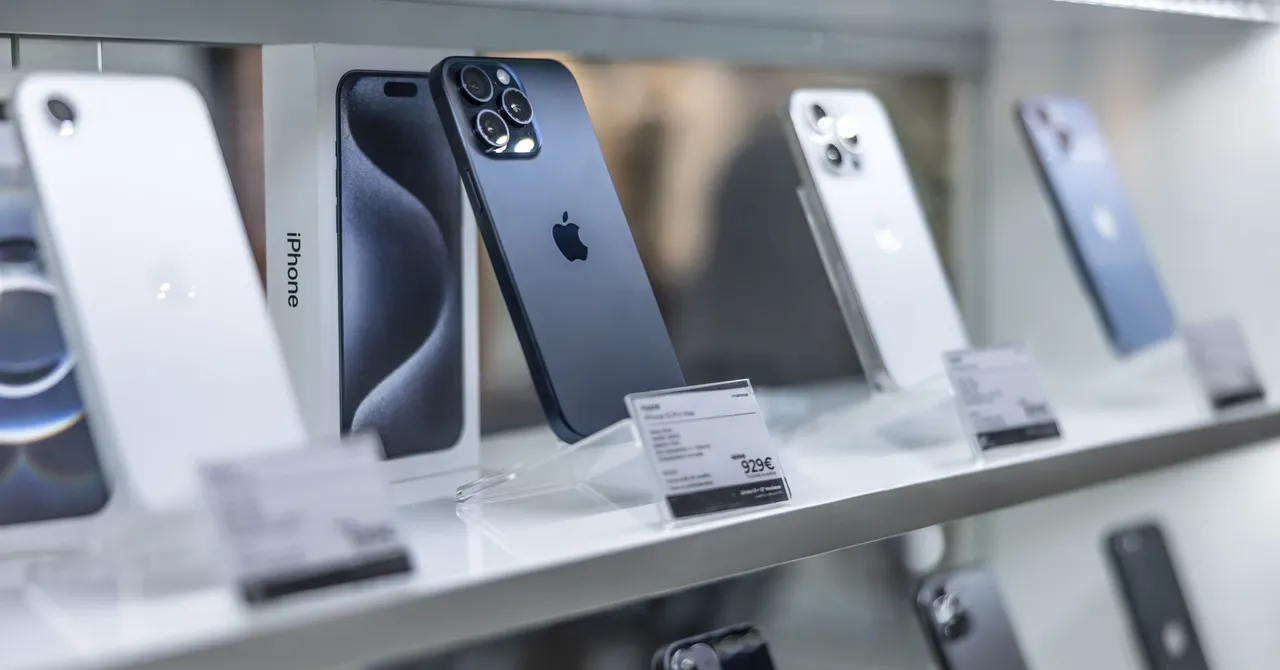
With impending price increases from Apple, purchasing a used iPhone is becoming a more appealing option for consumers looking to save money and make environmentally conscious choices.
The trend of buying used iPhones is gaining traction, especially in light of recent developments that make this option more attractive. Not only is purchasing a used device more environmentally sustainable, but it is also economically advantageous in today's market.
Starting this fall, older iPhone models are expected to have enhanced longevity. Apple has indicated that some of its products will see price increases, prompting many consumers to consider used or older devices as a viable alternative. Kyle Wiens, CEO of the repair advocacy organization iFixit, stated, 'Buying used has never made more sense. The phones from the last few years are really good.'
Rising prices are a concern across the board, including for major tech companies like Apple. Outgoing Apple CEO Tim Cook recently mentioned in an interview with The Wall Street Journal that price hikes for Apple products are 'unavoidable,' although he did not specify which products would be impacted or the timeline for these increases.
The ongoing memory shortage is a significant factor driving these price increases. This shortage affects the supply of critical storage and memory components that are essential for manufacturing devices. The demand for these components has surged due to the development of AI data centers globally, which is impacting a wide range of tech companies, including Apple. Despite requests for comments, Apple did not respond to inquiries regarding this situation.
The economic climate is further complicated by fluctuations in the market following the Trump administration's tariffs and ongoing geopolitical tensions, particularly with Iran. These factors are making it increasingly difficult to source the materials needed for new iPhones, and companies are likely to pass these costs onto consumers.
Apple has been proactive in addressing these challenges. At the WWDC keynote in early June, the company announced enhancements to its iOS 27 aimed at improving the longevity of iPhones by optimizing the CPU scheduler, which manages software resources. This update is expected to ensure that even older models, such as the iPhone 11, remain functional for an extended period, instilling more confidence in consumers looking to purchase used devices.
Maintaining older iPhones can also be less expensive than repairing newer models. For instance, Apple charges $119 for a battery replacement on the latest iPhone 17, while the cost for an iPhone 13 battery is $30 less. Wiens remarked, 'You can save a lot of money buying a year-old phone and putting a new battery in it every six months.'
According to Jitesh Ubrani, a research manager at IDC, Apple has likely delayed price increases for as long as possible, absorbing extra costs until now. He noted that the company released the MacBook Neo, its most affordable MacBook at $599, in March, despite the memory shortage already being a concern.
Ubrani emphasized that Apple has built a significant amount of goodwill recently and is unlikely to jeopardize that by broadly raising prices. Future price hikes are expected to impact newer, more expensive devices, particularly those in the upcoming Pro model announcements. Apple is anticipated to unveil a new iPhone later this year, along with updates to the MacBook and potentially a folding phone, which may come with higher price tags due to increased manufacturing costs.
For consumers willing to compromise on camera quality and the latest AI features, purchasing a used phone may be the most practical choice in the near future. While the average consumer replaces their phone every 2.5 years, there is a growing trend of extending that timeframe. The refurbished device market has seen increased popularity, particularly after concerns arose regarding potential price surges due to tariffs during the Trump administration. Sales at Back Market, a refurbished tech marketplace, surged in 2025 as consumers sought alternatives to high-priced new devices. CEO Thibaud Hug de Larauze noted a slight uptick in sales following Cook's recent comments, stating, 'They don't want to pay like $2,000 for the next iPhone.'
While the used electronics market is not immune to economic pressures, sales of refurbished smartphones have increased, although not as rapidly as expected in 2025. As new device prices rise, the cost of used devices on platforms like Back Market is likely to follow suit, with price increases typically taking three to six months to affect the used market. Hug de Larauze acknowledged, 'All the electronics in the world’s value have gone up.' Wiens added that, similar to the rising stock market, 'everything in your drawer is worth more now.'
Despite impending increases, purchasing used devices remains a more affordable option compared to flagship models, or consumers can choose to hold onto their current devices.