
Snap Launches Specs, Its Premium AR Glasses, Amidst Market Competition
Snap has introduced its long-anticipated smart glasses, Specs, priced at $2,195, set to ship in the U.S., U.K., and France this fall, targeting tech enthusiasts and developers.
On Tuesday, at a spatial AI convention in Long Beach, Snap officially revealed its much-awaited consumer smart glasses, named Specs, which are priced at $2,195. This price tag places them above most Meta Ray-Bans, which can start as low as $350, but below the Apple Vision Pro, which begins at $3,500. The high cost may limit the product's accessibility for typical consumers.
Specs will be available for preorder starting June 16, with a requirement of a $200 refundable deposit, and they are expected to ship in the fall of this year across the United States, the United Kingdom, and France. Snap has been developing this device for over a decade, but the last consumer version was released in 2019, with subsequent versions primarily aimed at developers. Earlier this year, Snap established a new company dedicated to advancing the product's market launch.
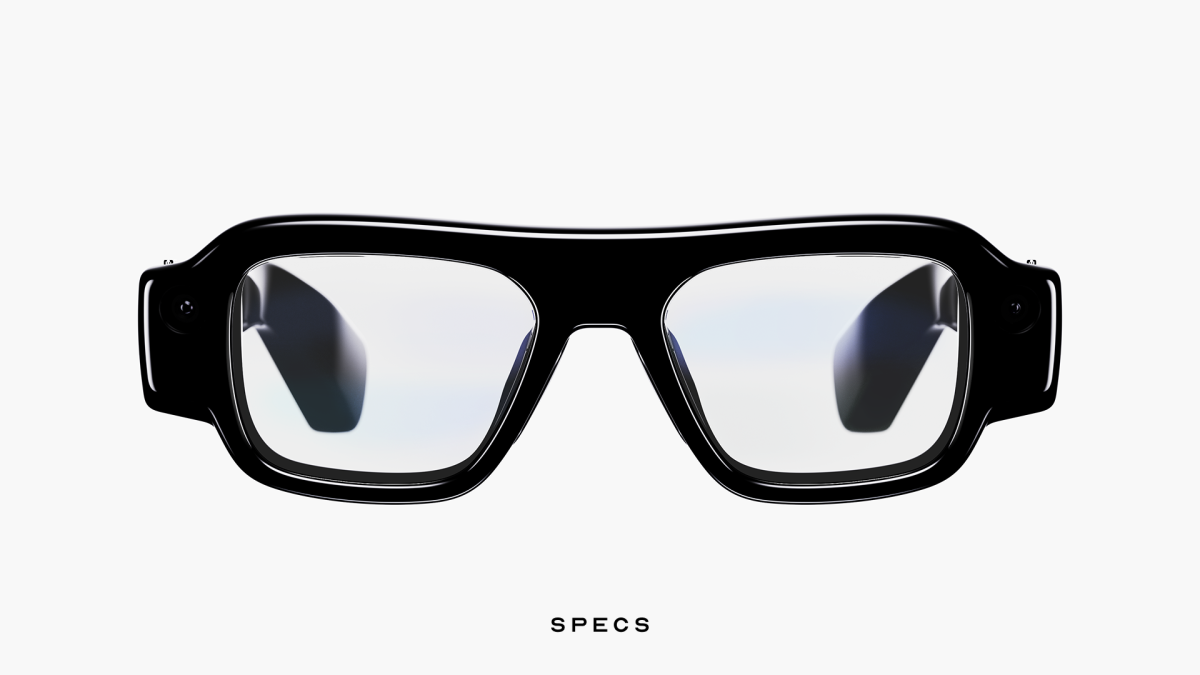
In terms of design, Specs appear to resemble standard eyewear, although they are somewhat bulkier, resembling goggles. This added size is due to a significant design decision: unlike many competitors, all computing functions are integrated into the glasses themselves, eliminating the need for an external tether or puck.
Specs are powered by two Snapdragon processors and boast a battery life of up to four hours of continuous use, with a charging case that extends the total usage time to 20 hours.
The glasses offer various functionalities, including gaming capabilities that support multiplayer sessions through a feature called 'EyeConnect.' This feature allows users to engage with each other simply by making eye contact.
Users can also watch videos, with Snap claiming the device provides a 51-degree field of view and displays 16 million colors. Additionally, Specs can record point-of-view footage and allow internet browsing, access to productivity applications, and email checking.
A notable feature is contextual AI, which enables users to look at an object and inquire about it, prompting the glasses to retrieve relevant information — highlighting the competitive potential of AI-assisted technology in this sector.
Specs come in two sizes: a 47 mm version weighing 132 grams (about 4.6 ounces) and a 52 mm version that weighs 136 grams (approximately 4.7 ounces). Compared to Meta's Ray-Bans, which weigh under an ounce, Specs are heavier but significantly lighter than Apple’s Vision Pro, which weighs between 26.4 and 28.2 ounces.
Regarding user privacy, Specs incorporates features similar to those of Meta, including a built-in LED light that illuminates when the device is recording. Users will also have control over the data that is stored, synced, or deleted.
During the CES event in Las Vegas earlier this year, I had the opportunity to try an earlier version of Specs. The experience was enjoyable, particularly with the contextual AI feature, though the device was somewhat heavy and could heat up with prolonged use.
It appears that Snap has made improvements to the hardware since then, resulting in a design that is less intrusive and more efficient.
However, a critical question remains: will this long-term investment in innovation lead to a sustainable business model for Snap? Specs enters a market that is becoming increasingly competitive, with Meta currently leading with its popular Ray-Ban series, and Google announcing its own line of AI-powered glasses.
Snap's target audience for Specs includes tech enthusiasts, developers, and studios. However, at a price of $2,200, this demographic will need considerable financial resources to indulge their interest.
The high price underscores a persistent challenge within the smart glasses market: consumer interest has yet to transition from mere curiosity to the level of enthusiasm required for sustained profitability.
Consequently, profitability remains elusive for most companies in this space. Even Meta, the current market leader, is incurring significant losses in its augmented reality development division.
Snap has faced challenges in recent years, including a fluctuating stock price and a decline in user engagement in North America. Despite launching over a decade ago, Snap has yet to achieve consistent profitability and recently underwent layoffs. The future of Specs as a potential game-changer for the company remains uncertain.