OpenAI's Karan Singhal Aims to Transform ChatGPT into a Healthcare Powerhouse
OpenAI's Karan Singhal discusses the company's ambitions to enhance ChatGPT's health advice capabilities, which currently serve over 230 million users weekly.
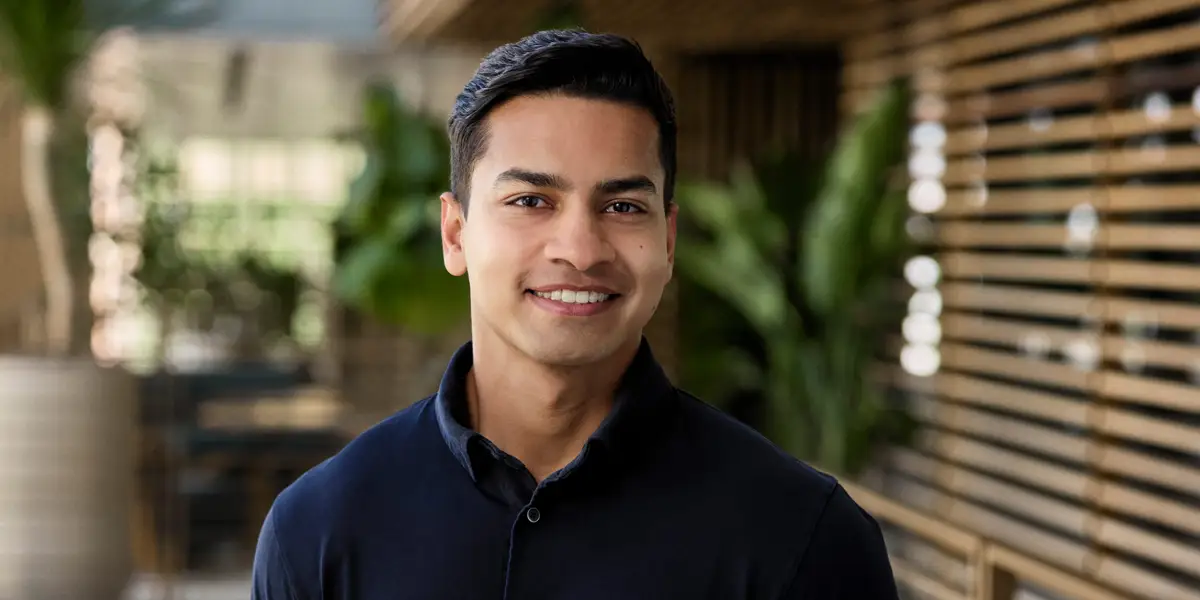
OpenAI is intensifying its focus on health research as a growing number of individuals seek medical advice through ChatGPT. According to the company, over 230 million users turn to the AI tool weekly for health and wellness information. This surge in usage is attributed in part to Karan Singhal, a key researcher at OpenAI, who shared insights with Business Insider about the organization's ambitious goals in the healthcare sector.
Singhal's objective is to refine ChatGPT's health guidance to such a degree that it positively impacts users' lives, mitigates risks, and addresses skeptics' concerns. He envisions a future where more patients regard OpenAI's latest model as a supportive ally in their healthcare journeys. He noted that the GPT-5 model family is the first to be specifically trained at every development stage to enhance its effectiveness in providing health advice.
"You definitely want the models to be ahead of everything else," Singhal remarked, emphasizing the importance of maintaining a competitive edge in health-related AI.
Healthcare has become a top priority for OpenAI, especially after Singhal's transition from Google, where he was involved in developing a series of AI models known as Med-PaLM, tailored for medical inquiries. Singhal mentioned that Google had reduced its investment in Med-PaLM, as AI developers increasingly favor general-purpose models.
Singhal joined OpenAI in mid-2024 when GPT-4o was the company's leading model. However, that model faced criticism in ongoing lawsuits alleging that it encouraged suicidal thoughts and provided harmful advice, claims that OpenAI has denied.
Despite these challenges, OpenAI has committed to advancing its health-related initiatives. Singhal expressed a sense of responsibility to enhance the quality of health responses generated by the models upon his arrival. He established a new team of health researchers and initiated partnerships with over 200 physicians, which he described as a strategic move to harness collective expertise.
About a year later, Singhal introduced HealthBench, a series of evaluations designed in collaboration with the physician network to assess the health capabilities of AI systems. He stated, "Once you know how to evaluate it, it becomes a lot easier to improve it."
OpenAI recently reported that its latest free model, GPT-5.5 Instant, outperformed both physician-written responses and the earlier GPT-4o in evaluations. The company also noted a significant 71% reduction in flagged inaccuracies in health-related responses over the past two months, highlighting the urgency to continue improving these capabilities for both patients and healthcare providers.
Singhal has observed a swift adoption of AI tools like ChatGPT for Clinicians among doctors, suggesting that hospitals and clinics are not resisting AI integration. "If you think about the adoption of technology in healthcare broadly, it's actually incredibly, insanely fast," he stated.
In a landscape where Google Search has long been the primary source of online healthcare information, Singhal views chatbots as an evolution that allows for more personalized interactions and tailored advice. However, a significant hurdle remains: the chatbot's limited knowledge about individual patients. Unlike a physician who has access to a patient's medical history and long-term relationship, a chatbot must find ways to gather pertinent information.
To address this, OpenAI announced a health-focused feature within ChatGPT in January, enabling users to connect with health applications and upload their medical records. Singhal shared a personal example of how he uploaded sleep data from his Apple Watch, which revealed that his sleep quality was affected by an overly warm bedroom.
Despite launching ChatGPT Health over five months ago, the service still has a waitlist. Singhal's team prioritizes enhancing the model's ability to ask relevant questions, similar to how a doctor would, to provide accurate advice.
Furthermore, Singhal is determined to demonstrate that AI can offer significant value to all individuals in healthcare, not just those who are already tech-savvy. He stated, "People's adoption will only move at the speed of people's readiness in practice, and so you have to guide people towards that, especially as the technology improves."