Global Reactions to US-Iran Agreement Extending Ceasefire and Reopening Strait of Hormuz
The US and Iran have signed a memorandum to extend a ceasefire, prompting varied international responses as the agreement includes commitments on nuclear development and regional stability.
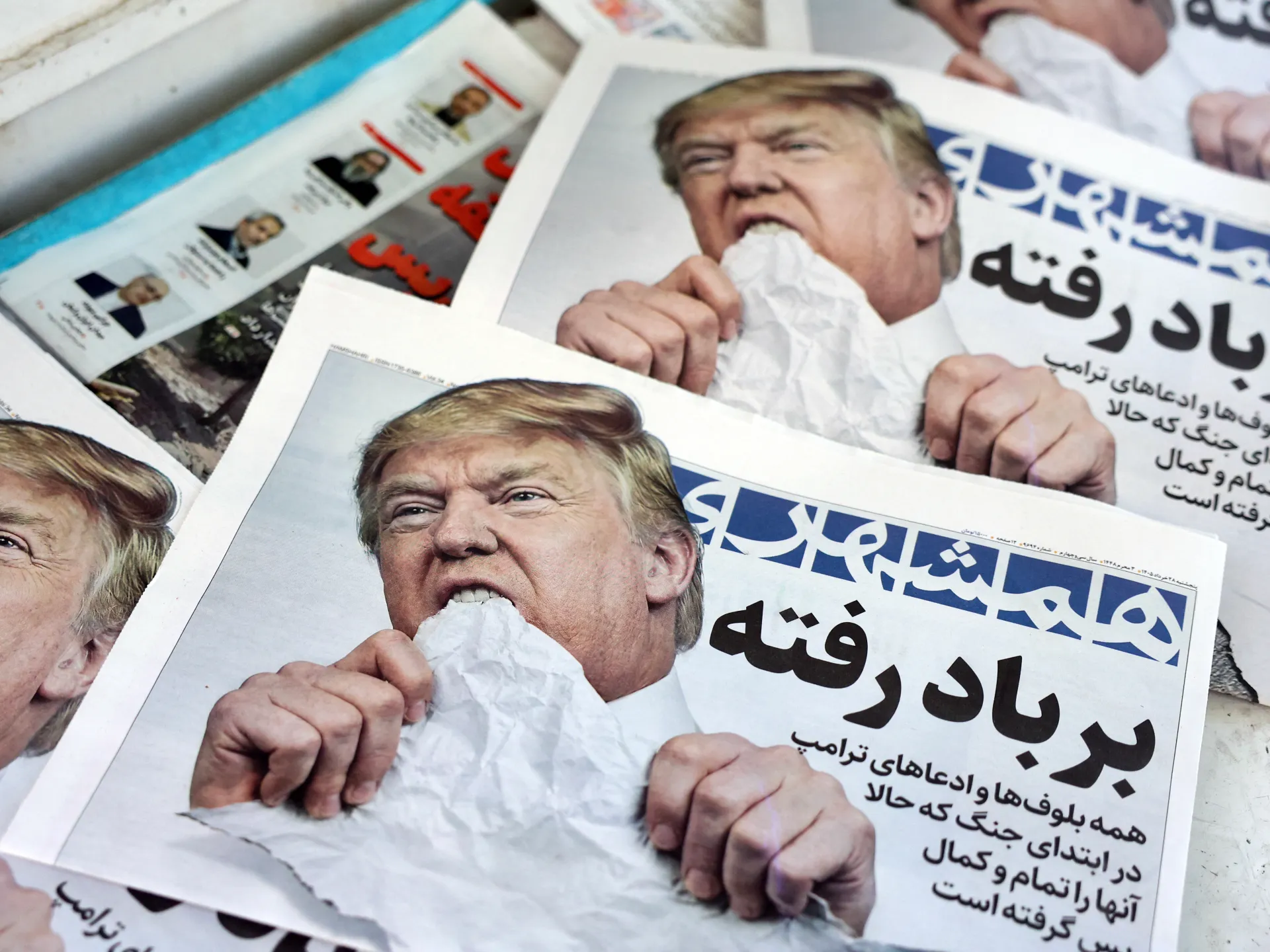
On Wednesday, US President Donald Trump and Iran's President Masoud Pezeshkian electronically signed a memorandum of understanding aimed at extending the ceasefire in the ongoing US-Iran conflict. This agreement, referred to as the 'Islamabad MOU' by mediators from Pakistan, became effective immediately.
The terms of the agreement stipulate that Iran will reaffirm its commitment not to pursue the development of nuclear weapons, conclude hostilities on all fronts, and facilitate the reopening of the strategically important Strait of Hormuz.
The conflict initially erupted on February 28, following military strikes by the US and Israel against Iran. A temporary ceasefire had been established on April 8, which allowed for a pause in intense fighting. The new memorandum extends this ceasefire for an additional 60 days, setting the stage for further discussions concerning Iran's nuclear program, US sanctions, and the unfreezing of Iranian assets.
Iran’s Supreme Leader Ayatollah Mojtaba Khamenei expressed his approval of the agreement on Thursday, despite suggesting he held a different viewpoint. He stated, 'In principle, I had a different view [about the memorandum of understanding], but I issued my permission due to the commitment that the honourable [Iranian] president, as the chairman of the Supreme National Security Council, gave me on behalf of himself and other members to protect the rights of the Iranian nation and the Resistance Front.'
Esmaeil Baghaei, the spokesperson for Iran's Ministry of Foreign Affairs, addressed local media post-signing, indicating that Iran would closely monitor US compliance with the agreement, asserting that if the US does not fulfill its obligations, Iran will not adhere to its commitments either. He specified that discussions during the 60-day period would exclude Iran's missile program but would include the nuclear program and the lifting of sanctions.
Baghaei further noted that Iran would not export its stockpile of highly enriched uranium and emphasized that the US must ensure Israel adheres to its commitments towards Iran. Additionally, he mentioned that Iran would work with Oman to establish a new regulatory framework for the Strait of Hormuz, which would involve charging fees for services provided in the area.
Footage captured the moment Trump signed the interim agreement at the Palace of Versailles, where he remarked, 'This was not easy,' before signing. In subsequent statements, Trump called for a complete ceasefire across all fronts, encompassing Lebanon, Hezbollah, and Israel, and urged all parties in the Middle East to support the ongoing negotiations.
The interim deal has faced criticism from some Republican lawmakers, who argue that it could squander taxpayer funds and offer insufficient restrictions on Iran's nuclear capabilities. However, US Republican Senator Roger Marshall praised the memorandum, labeling it a 'winning deal' and asserting it was superior to the previous agreement negotiated under former President Barack Obama, from which Trump had withdrawn in 2018.
Israeli Prime Minister Benjamin Netanyahu emphasized the importance of maintaining strong US-Israel relations, stating that the US has stood 'shoulder to shoulder' with Israel during the conflict with Iran. He noted that while challenges remain, they require careful judgment and a steadfast defense of Israeli security interests.
Pakistan's Prime Minister Shehbaz Sharif expressed pride in announcing that the 'Islamabad Memorandum of Understanding' had been signed by both nations. He characterized the signing as a commitment to a diplomatic resolution to the conflict and hoped it would foster greater understanding and prosperity in the region.
The Ministry of Foreign Affairs in Pakistan regarded the MOU as a renewed commitment between the two nations to resolve their differences through negotiation and peaceful means, enhancing prospects for sustainable peace and economic growth both regionally and internationally. They also expressed gratitude for the efforts made by Pakistan and other mediators in de-escalating tensions.
Switzerland's foreign ministry welcomed the signing as a significant step towards regional de-escalation, announcing that the US and Iran, along with mediators Pakistan and Qatar, would convene in Burgenstock on Friday to discuss the agreement's implementation.
The director-general of the International Atomic Energy Agency (IAEA), Rafael Grossi, welcomed the interim agreement, stating that it marks the beginning of technical discussions regarding Iran's nuclear program. He emphasized the need for the IAEA to collaborate with US and Iranian officials to outline concrete steps for managing Tehran's nuclear activities.
French President Emmanuel Macron shared a video of Trump signing the MOU, highlighting its importance for lasting peace and the reopening of the Strait of Hormuz, which he believes will ultimately lead to reduced energy prices.
Hezbollah leader Naim Qassem celebrated the agreement as a 'big victory' and asserted that Lebanon's negotiations with Israel should focus solely on mutual security, dismissing any discussions related to disarmament.
China's foreign ministry expressed approval of the interim agreement, encouraging both the US and Iran to engage in upcoming negotiations with a rational and pragmatic approach to fulfill their commitments under the deal.
Russian President Vladimir Putin also welcomed the agreement, viewing it as a significant step towards ending the conflict and a potential model for future peace initiatives. He stated that stabilizing the Middle East would benefit global energy markets.
Japan's Prime Minister Sanae Takaichi emphasized the necessity of restoring 'free and safe navigation' in the Strait of Hormuz and expressed hope that swift negotiations would lead to a final agreement addressing Iran's nuclear issues and other outstanding matters.