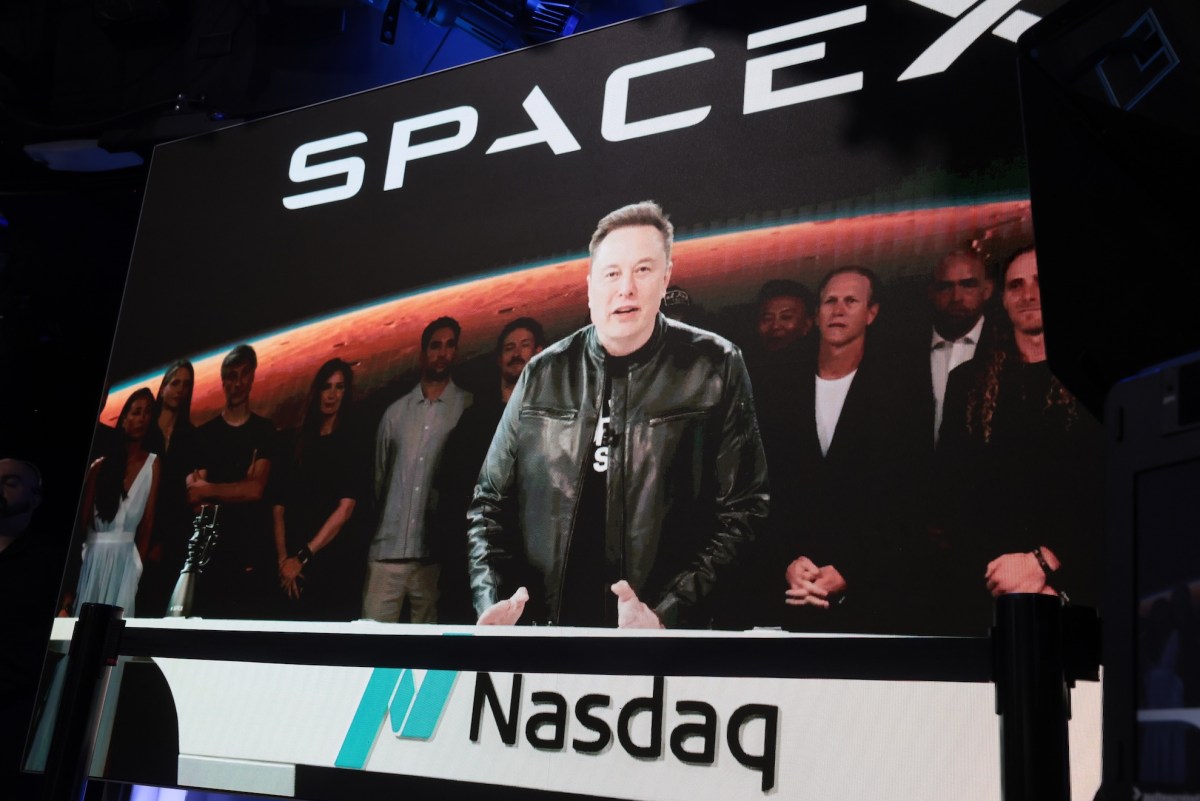
SpaceX Shares Experience Volatile Trading Amid Tech Market Sell-Off
SpaceX shares dipped below their debut price, reflecting a broader tech market downturn, before rebounding slightly following significant losses in market value.
SpaceX shares recently fell below their initial market debut price of $150 per share, resulting in a loss of $600 billion in market value amidst a larger tech sell-off affecting financial markets. However, shares experienced a recovery of 2.4 percent shortly thereafter.
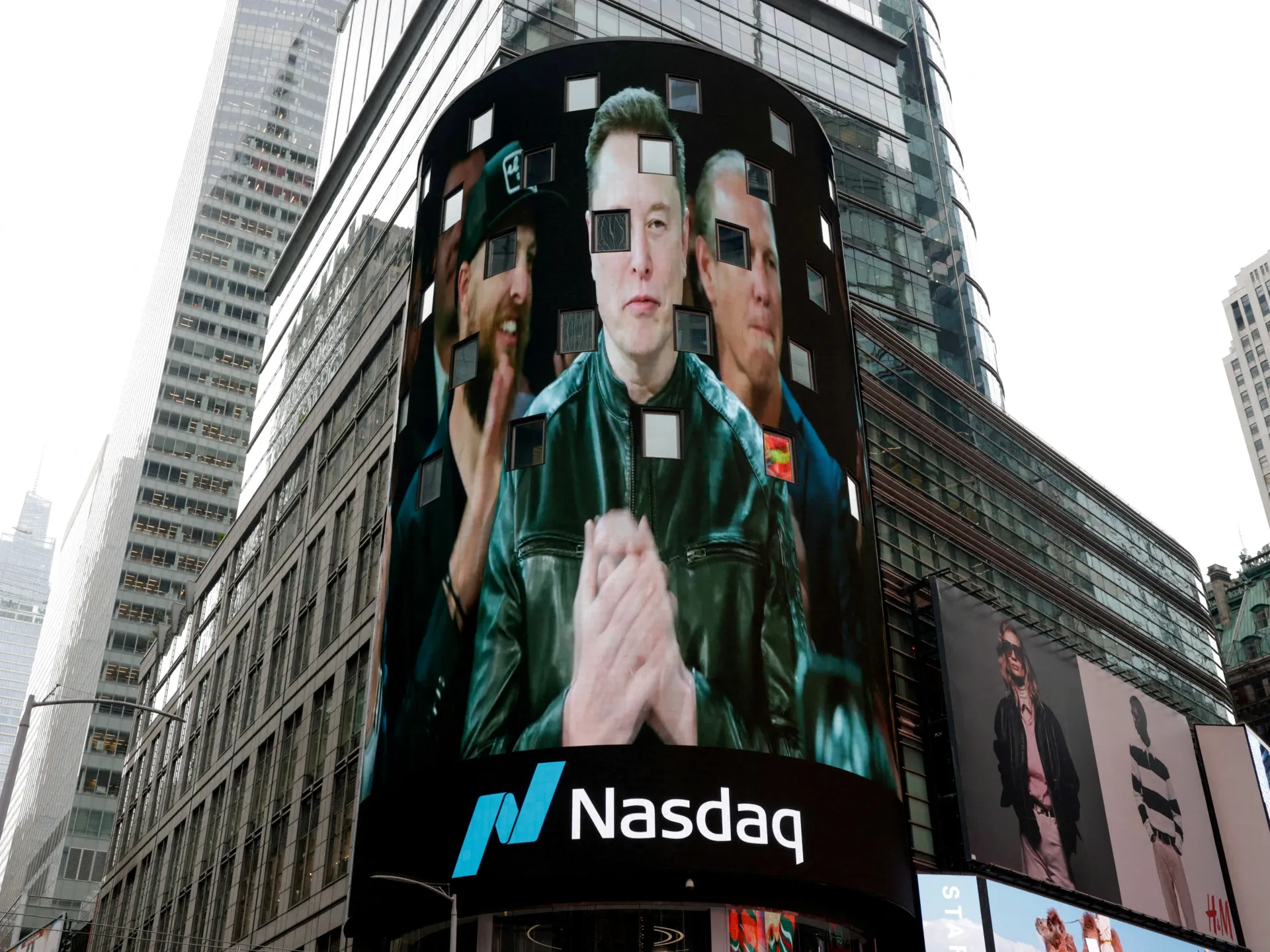
The decline in early trading on Tuesday followed a significant 16 percent drop on Monday, which had already erased $400 billion in market value for the aerospace company led by Elon Musk. Despite this downturn, shares remain 10 percent higher than the initial public offering price of $135 per share.
After its IPO on June 12, SpaceX saw unprecedented gains, propelling CEO Elon Musk to become the world’s first trillionaire. At one point, the company’s market value briefly exceeded that of tech giants Microsoft and Amazon before settling at a current valuation of $1.9 billion.
A Reuters analysis indicated that among the 50 most-valued IPOs over the last five years, investors would have fared better by investing in an S&P 500 index fund approximately three-quarters of the time rather than investing in a major IPO. Despite the fluctuations, analysts express cautious optimism about SpaceX's future performance.
Michael Monaghan, a partner portfolio manager at FounderETFs, commented, "I think any time you see a stock sell off sharply, especially one that everyone is focused on, and then bounce, it’s usually a setup for it to move higher. So I think we go higher from here," during an interview with Al Jazeera.
This volatility occurs as SpaceX is actively pursuing new compute deals to bolster its ambitions in artificial intelligence (AI). On Monday, the company secured a deal with AI startup Reflection AI, granting it access to the Colossus 2 data center for a payment of $150 million per month. This follows a previous agreement with Google, announced earlier in the month, which involves a payment of $920 million per month to SpaceX.
Monaghan noted, "Their revenue is increasing, and their balance sheet is getting better, not worse. That should be good for the stock, not cause it to sell off. The final thing is that the stock has a premium valuation and a very low float, so everything is going to be magnified in both directions."
The decline in SpaceX’s shares is part of a broader sell-off in the tech sector, with the Nasdaq Composite index dropping 1.4 percent in morning trading and losing $680 billion in market value. This downturn has been driven largely by concerns regarding chipmakers, who have typically led market gains this year.
In midday trading, Micron's stock fell by 9 percent ahead of its upcoming earnings report scheduled for Wednesday after market closure. Other companies also faced declines, with Advanced Micro Devices down 5.7 percent, Intel by 2.4 percent, and Nvidia by 2.8 percent. Additionally, several memory stocks, including SanDisk, experienced a 9 percent dip.
Investor anxiety has been particularly pronounced among the so-called 'Magnificent Seven' group of technology stocks, with six of the seven companies facing pressure as concerns about elevated AI expenditures grew. Aleksandar Tomic, associate dean for strategy, innovation, and technology at Boston College, remarked, "It’s definitely jitters about AI. But is it a passing thing, or is it something more permanent? I don’t know that anybody can answer that just yet."
These major tech firms, often referred to as hyperscalers, have invested billions to enhance their AI infrastructures, although there is still a lack of clear evidence that these investments will yield returns justifying the expenditures. Tomic further stated, "Is this just a temporary blip? I don’t think anybody can say with any real confidence right now. It could be a temporary passing phase, or it could mark the beginning of the deflation of the AI bubble that everyone has been talking about. It’s difficult to tell."
The current market slump coincides with expectations of tighter monetary policy under newly appointed US Federal Reserve Chair Kevin Warsh, who is anticipated to maintain or potentially raise interest rates in the upcoming fall. The central bank's latest policy forecast indicates the possibility of at least one rate increase before the year's end.