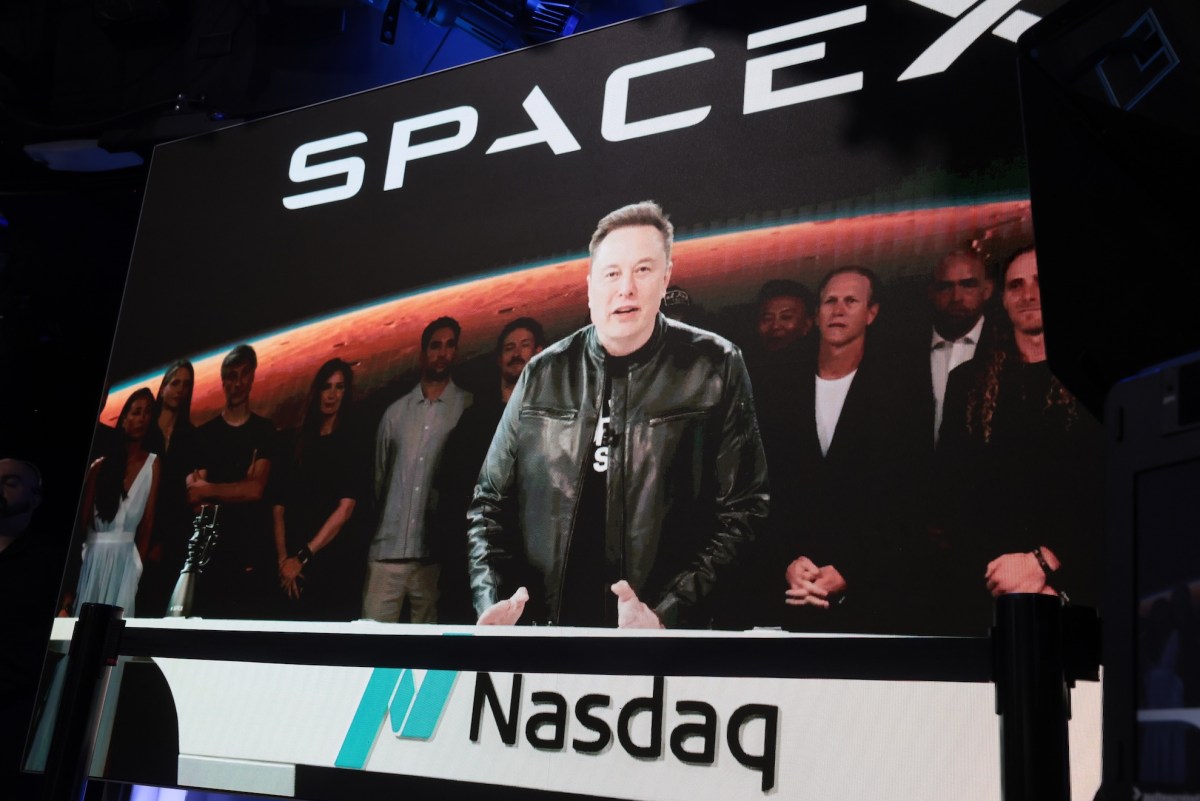
SpaceX's IPO raised $87.5 billion, exceeding initial estimates by $10 billion, marking the largest IPO in history and elevating Elon Musk to trillionaire status.
SpaceX successfully raised $10 billion more than previously anticipated during its public share offering on Friday, culminating in a total of $85.7 billion. This marks a significant milestone for the company, which is led by Elon Musk and operates in the rocket and artificial intelligence sectors.
The company's initial public offering (IPO) has been recorded as the largest in history, following its recent listing on the Nasdaq stock exchange in New York. Initially, it was believed that the listing would generate $75 billion from investors, a sum that Musk indicated would be allocated towards funding a 'significant growth phase' for the company.
However, the investment banks involved in the IPO utilized a mechanism known as a 'greenshoe' clause, allowing them to acquire an additional $10 billion worth of SpaceX shares. This additional funding, disclosed in a statement from SpaceX upon the completion of the listing, is substantial enough to be considered one of the largest IPOs in its own right.
The greenshoe option is a financial strategy that enables underwriters to sell more shares than were originally planned when demand for a company's stock exceeds supply during a public offering. In the case of SpaceX, investor demand was particularly robust, leading the underwriters—including major financial institutions such as Goldman Sachs, Bank of America, and JPMorgan—to fully exercise this option. They purchased an extra 83.3 million shares directly from SpaceX to satisfy the heightened demand.
Following the listing, Musk's net worth surged, with Bloomberg calculations indicating that he attained trillionaire status. On the following Monday, the momentum for SpaceX continued, as shares rose by over 19% to reach $192. The initial offering price for investors was set at $135, which valued the company at approximately $1.8 trillion.
While this remarkable valuation has elevated Musk's financial standing, it also ties his wealth closely to the performance of SpaceX's stock. Analysts caution that the company's high valuation leaves limited room for mistakes, questioning whether SpaceX can maintain its growth trajectory amid increasing regulatory scrutiny and intensifying competition in the commercial space industry.