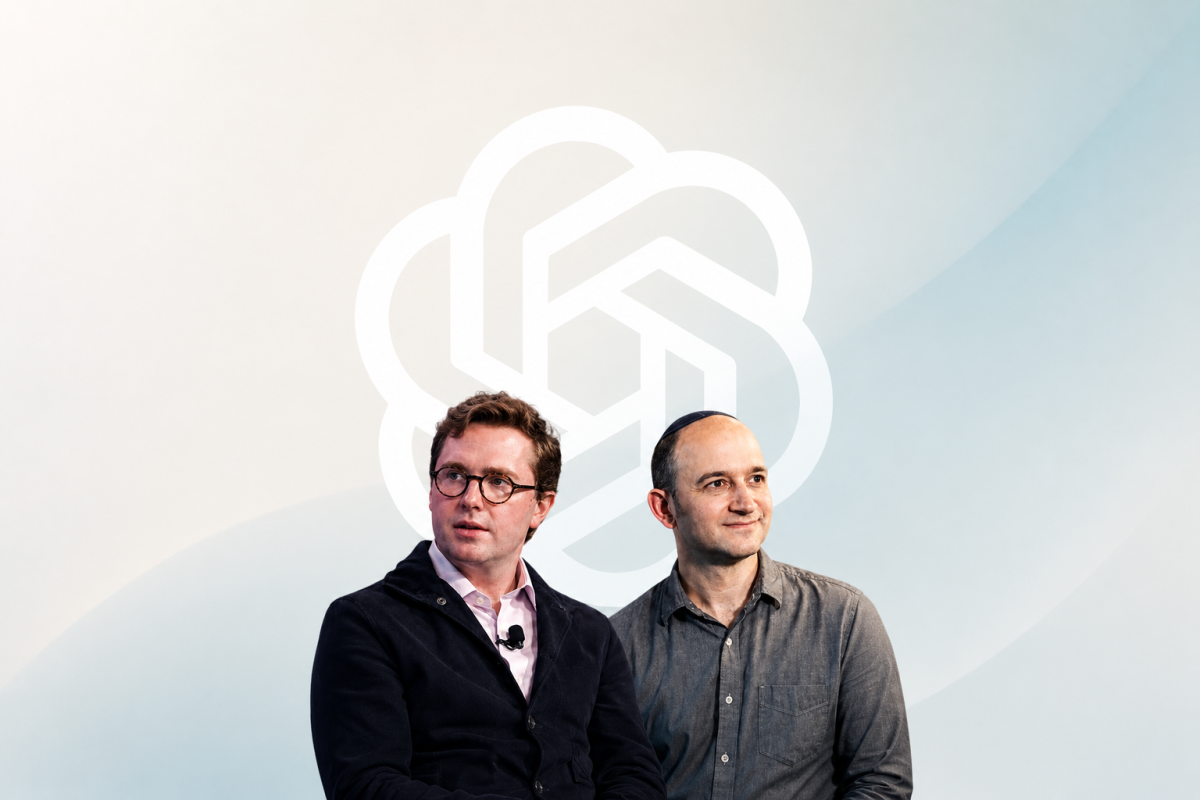
In preparation for its IPO, OpenAI has recruited notable figures including Noam Shazeer from Google DeepMind and Dean Ball, a former Trump administration AI policy official.
OpenAI is enhancing its workforce with prominent figures as it approaches its public offering. Among the new hires are Noam Shazeer, a renowned AI expert from Google DeepMind, and Dean Ball, who previously served as an AI policy official in the Trump administration.
Shazeer, who has played a significant role in the development of generative AI, announced his exit from Google on Wednesday. He has been with the company since 2000, with the exception of a three-year period during which he co-founded the AI role-playing startup Character AI. Google had recently brought Shazeer back in a substantial deal worth $2.7 billion, which provided the company access to technology from his startup.
This recruitment is part of a broader trend of personnel movements among leading AI research organizations, including Google, OpenAI, Anthropic, and Meta. Shazeer is notably recognized for his contributions to the field, having co-authored the influential 2017 paper 'Attention Is All You Need,' which laid the groundwork for the Transformer architecture.
Prior to his departure from Google, Shazeer reportedly engaged in discussions on sensitive political topics on internal forums, including issues related to transgender identity and the conflict in Gaza. These discussions led to management removing his posts, raising questions about whether such controversies will follow him to his new role at OpenAI.
In addition to Shazeer, OpenAI is also strengthening its policy team by hiring Dean Ball. Ball previously worked in the White House for a short time last year, during which he contributed to the publication of America’s AI Action Plan. After leaving the White House, he returned to the Foundation for American Innovation, a techno-libertarian think tank, as a senior fellow.
On Thursday, Ball announced via X that he would be joining OpenAI on July 6 as the head of a new division called Strategic Futures. His team will be tasked with assisting OpenAI's leadership in shaping policies related to frontier AI.
Ball will report directly to Jason Kwon, OpenAI's Chief Strategy Officer. He described the new team as a 'small, high-agency team' focused on critical issues such as catastrophic risks, recursive self-improvement, labor market impacts, and the interactions between AI labs, government entities, particularly the U.S. Federal Government, and society.
The Strategic Futures team will address both external policy matters and internal governance issues. Ball emphasized the importance of internal governance, stating that AI labs will need to take a leading role in governance decisions.
'In other words, internal governance will be more central to the future of AI than most people realize,' Ball remarked.
Ball's choice to join OpenAI, which is seen as a favored player in the current administration, coincides with ongoing tensions faced by Anthropic, another AI firm. Recently, President Donald Trump imposed an export control ban on Anthropic's latest models, Fable 5 and Mythos 5, which compelled the company to withdraw these models to avoid legal repercussions. This situation illustrates the complexities of government involvement in the AI sector.
TechCrunch has reached out to OpenAI for additional insights regarding these developments.
Rebecca Bellan, a senior reporter at TechCrunch, covers business, policy, and emerging trends in artificial intelligence. Her work has been featured in various notable publications, including Forbes and Bloomberg.