LGBT Creators Express Frustrations Over YouTube's Treatment and Harassment Issues
LGBT creators are voicing their frustrations regarding harassment on YouTube, highlighting the platform's inadequate response to discrimination against queer and trans individuals.
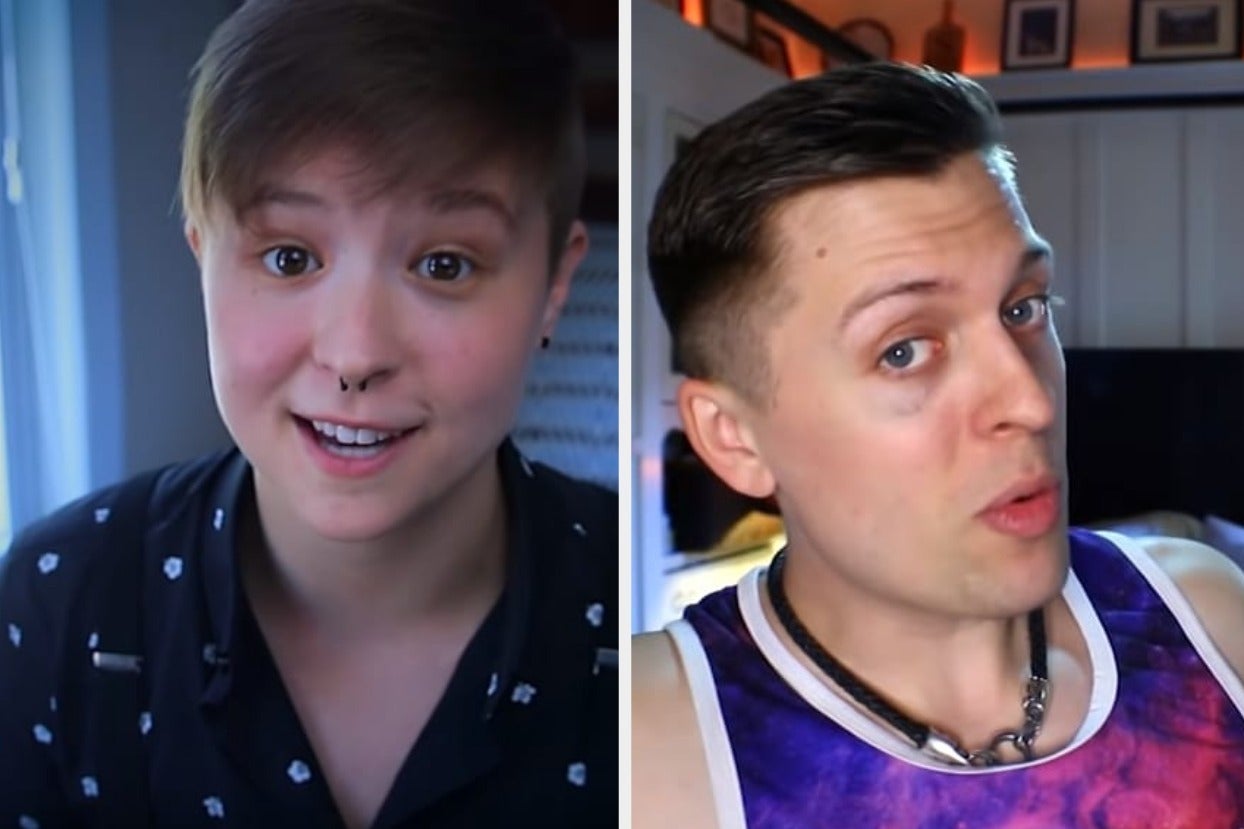
Lindz Amer, the creator behind the YouTube channel Queer Kid Stuff, has faced harassment since launching the channel, which aims to educate children about LGBT and social justice issues. Amer noted that while their videos appear in search results, they are often accompanied by bullying content and negative reactions from larger channels. "If you search 'Queer Kid Stuff,' you get my videos, but you also get videos of people bullying me and warping my videos to make fun of me," they shared with BuzzFeed News. Amer expressed that this ongoing issue has significantly impacted their channel and mission.
The frustration among LGBT creators deepened after the experiences of Vox host Carlos Maza came to light. Maza, who identifies as gay and Latino, has been the target of derogatory videos by conservative commentator Steven Crowder, who has referred to Maza using anti-gay slurs. After receiving no support from YouTube, Maza took to Twitter to express his discontent. He stated, "I don't know what to say. @YouTube has decided not to punish Crowder, after he spent two years harassing me for being gay and Latino."
Initially, YouTube responded to the situation by defending Crowder's videos as expressions of opinion, despite the backlash. Following public outcry, the platform announced it would begin prohibiting discriminatory content, although Crowder's videos remained available while his channel was demonetized.
The timing of YouTube's response drew criticism, particularly as it coincided with Pride Month, during which YouTube's logo featured rainbow colors. Amer expressed their frustration, stating, "They have this fucking pride logo in their Twitter avatar when they’re saying it’s ok to call him a ‘lipsy gay’ and have the word ‘fag’ on a T-shirt." Amer emphasized that Maza's experience is not an isolated case, asserting that many LGBT creators have faced similar or even worse harassment.
Tyler Oakley, a prominent YouTuber with 7.4 million subscribers, also shared his disappointment regarding YouTube's handling of these issues. Ash Hardell, who has a channel with 623,000 subscribers focused on LGBT topics, expressed that they have reached a breaking point with the platform. Hardell remarked, "YouTube uses pride and LGBT creators as part of their promotion but it doesn’t feel genuine, it feels like we’re being used." They added that numerous videos exist mocking their gender and sexuality, and the harassment is not limited to any political ideology, as some harassers are also part of the trans community.
Hardell recounted a troubling incident where their workplace was exposed to thousands online, leading to attempts to have them fired. They reflected on their fear regarding job security and privacy, stating, "Leaking that info was sensational and garnered the poster large amounts of traffic. It was not ok though. It violated my privacy and threatened my well being, and @Youtube's algorithm encouraged and rewarded that behavior." They expressed a desire for YouTube to improve its harassment policies and to better protect its users.
Hardell's sentiments were echoed by others, who have experienced age restrictions or content visibility issues due to their queer or trans-themed content. They mentioned that their wedding vow video was age-restricted, and Amp Somers, who runs a sex education channel called Watts the Safeword, noted a decline in engagement as viewers struggled to locate his content amidst lower-quality videos. Somers highlighted a previous incident where anti-LGBT ads were displayed on LGBT content, which YouTube suggested could be turned off in settings, a response he found tone-deaf. He stated, "It doesn’t really say that queer creators are important or valued."
All three creators pointed out that YouTube's algorithms seem to reward harassing behavior, suggesting that controversy drives engagement and revenue for the platform. Somers commented, "I think controversy and the very aggressive communities that can exist similar to Crowder, I think that drives engagement, and that drives views, and that drives advertising revenue." Amer concluded by asserting that YouTube has a choice to either improve the platform or prioritize profit, stating, "You can make the world a better place or you can manipulate it to make as much money as possible, and YouTube is staunchly in the place of making as much money as possible." They expressed their discontent with the company's priorities, saying, "I can’t stand by a company that’s made that choice."