LGBT Creators Express Frustration Over YouTube's Treatment of Queer and Trans Content
LGBT creators on YouTube are voicing their concerns about harassment and the platform's handling of anti-LGBT content, highlighting feelings of being undervalued and exploited.
Lindz Amer, the creator behind the YouTube channel Queer Kid Stuff, has faced ongoing harassment since the inception of their channel, which aims to educate children about LGBT and social justice issues. Despite their efforts, Amer has encountered a barrage of hostility, including neo-Nazi attacks and mockery from larger channels. "If you search 'Queer Kid Stuff,' you get my videos, but you also get videos of people bullying me and warping my videos to make fun of me," Amer shared with BuzzFeed News. They emphasized that this harassment has significantly impacted the channel's mission.
Amer's experiences resonate with those of other LGBT creators, especially in light of the situation involving Vox host Carlos Maza. Maza, a gay and Latino journalist, has been the target of derogatory videos made by far-right figure Steven Crowder, who has used slurs and launched personal attacks against him. After failing to receive adequate support from YouTube, Maza took to Twitter to express his frustration, stating, "Since I started working at Vox, Steven Crowder has been making video after video 'debunking' Strikethrough. Every single video has included repeated, overt attacks on my sexual orientation and ethnicity."
Initially, YouTube responded to Maza's complaints by asserting that Crowder's videos did not violate its policies, suggesting that Crowder was merely expressing his opinions. Following significant backlash, YouTube later announced plans to prohibit discriminatory content, though Crowder's videos remain available, albeit with his channel now demonetized.
Criticism of YouTube's policies has intensified, especially as the platform displays a rainbow logo in celebration of Pride Month while allowing harmful content to persist. Amer pointed out the contradiction, stating, "They have this fucking pride logo in their Twitter avatar when they’re saying it’s ok to call him a ‘lipsy gay’ and have the word ‘fag’ on a T-shirt." Amer further noted that Maza's plight is not an isolated incident, remarking, "This is not a new story. There are many, many, many people who have exactly comparable and even worse stories than him."
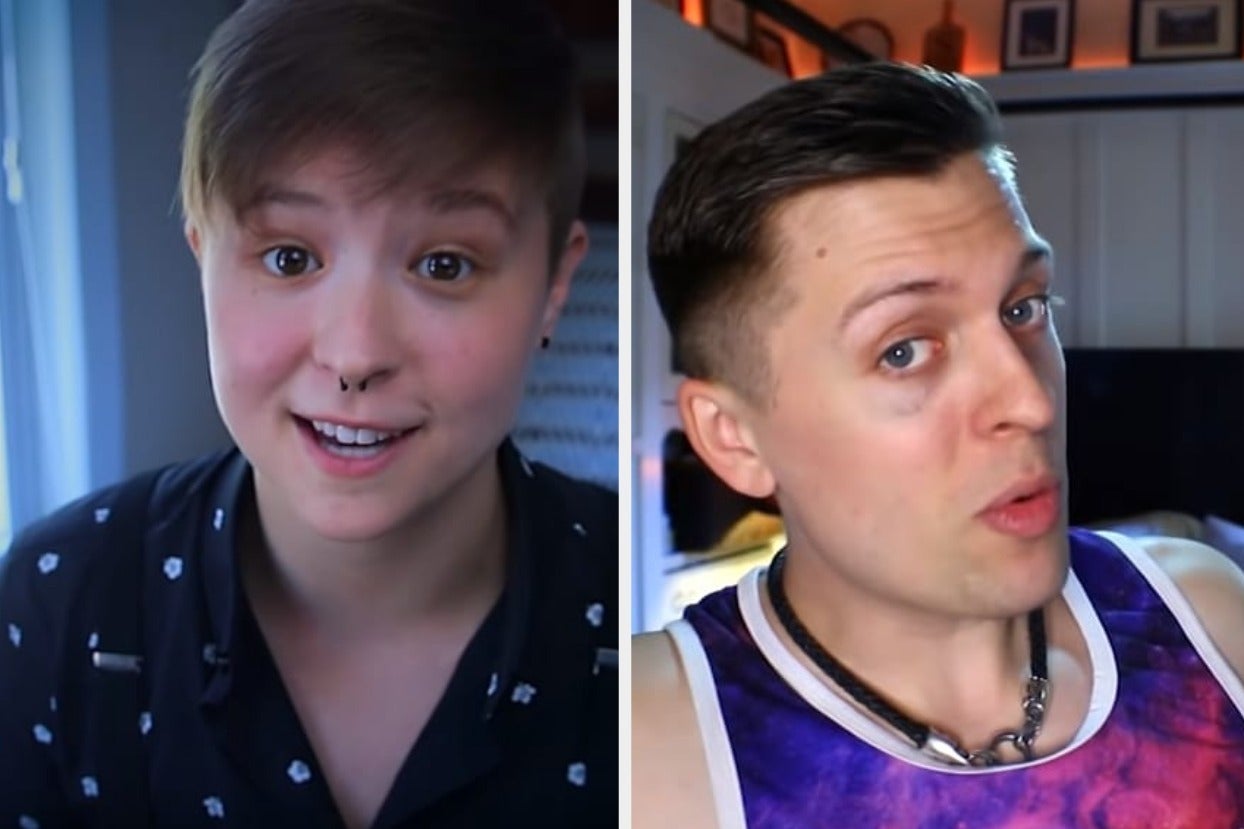
Tyler Oakley, a prominent YouTuber with 7.4 million subscribers, expressed his disappointment on social media. Similarly, Ash Hardell, who has 623,000 subscribers and discusses LGBT topics, stated they are reaching a breaking point due to the relentless harassment. Hardell, who identifies as transmasculine, voiced their disillusionment with YouTube's use of Pride for promotional purposes, saying, "YouTube uses pride and LGBT creators as part of their promotion but it doesn’t feel genuine, it feels like we’re being used."
Hardell recounted troubling incidents, including one where their workplace was exposed online, leading to threats against their job security. They reflected on the emotional toll of such harassment, declaring, "What makes me want to leave YouTube is the harassment. It starts to beat you down. Eventually, you can only take a beating for so long." Hardell called for a clearer harassment policy from YouTube, advocating for a more supportive response from the platform, which they described as akin to a lottery: "It’s like playing the lottery when you contact YouTube as to whether you’re going to get someone to respond and care."
Other LGBT creators have also reported facing restrictions on their content due to its queer or trans nature. Hardell noted that a video featuring their wedding vows was age-restricted, while Amp Somers, who operates a sex education channel called Watts the Safeword, highlighted issues with subscribers struggling to find his content. Somers mentioned a previous incident involving anti-LGBT ads appearing on LGBT-related videos, which YouTube suggested could be turned off in settings, a response Somers deemed tone-deaf, stating, "It doesn’t really say that queer creators are important or valued."
The creators expressed concerns that YouTube's algorithms seem to promote harassment, with Somers stating, "I think controversy and the very aggressive communities that can exist similar to Crowder, I think that drives engagement, and that drives views, and that drives advertising revenue." Amer added that YouTube is fully aware of its choices, saying, "When you have a platform like YouTube does, you have a choice. You can make the world a better place or you can manipulate it to make as much money as possible, and YouTube is staunchly in the place of making as much money as possible." Amer concluded with a strong statement of their discontent: "I can’t stand by a company that’s made that choice."