LGBT Creators Express Frustration Over YouTube's Treatment of Queer and Trans Content
LGBT creators on YouTube, including Lindz Amer and Ash Hardell, voice concerns over harassment and the platform's response to anti-LGBT sentiment, questioning the authenticity of YouTube's support during Pride Month.
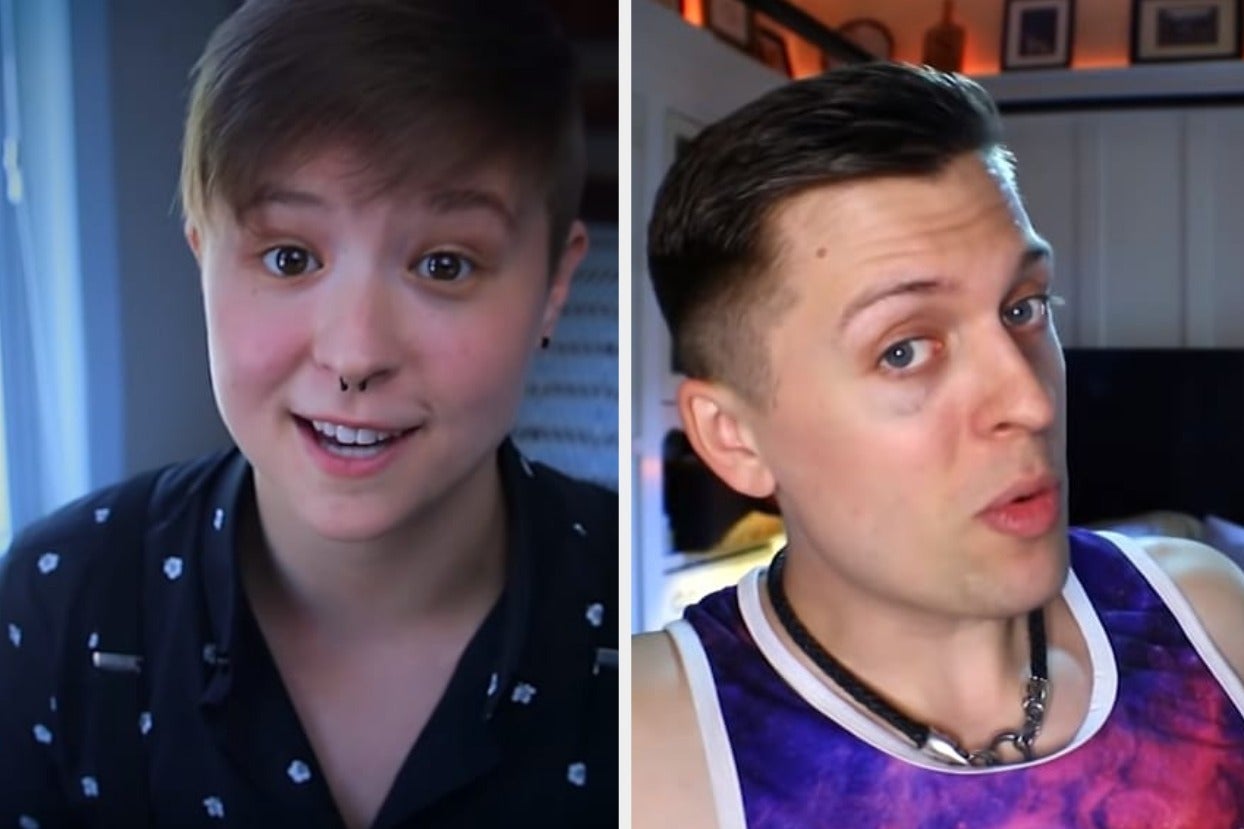
Lindz Amer, the creator behind the YouTube channel Queer Kid Stuff, has faced persistent harassment since launching their channel, which aims to educate children on LGBT and social justice topics. After posting a pilot episode, Amer was met with a barrage of hostile reactions, including derogatory videos from larger channels and neo-Nazi harassment. Amer remarked, 'If you search “Queer Kid Stuff,” you get my videos, but you also get videos of people bullying me and warping my videos to make fun of me. It’s been a really big problem for my channel and what I’m trying to do.'
The situation became more pronounced for Amer and other LGBT creators when they learned of the harassment faced by Carlos Maza, a Vox host who has been targeted by far-right commentator Steven Crowder. Maza, who identifies as gay and Latino, has experienced repeated derogatory attacks in Crowder's videos, which include slurs and racist comments. After receiving no assistance through YouTube's official channels, Maza took to Twitter to criticize the platform, stating, 'I don’t know what to say. @YouTube has decided not to punish Crowder, after he spent two years harassing me for being gay and Latino.'
YouTube's initial response to Maza's complaints was to assert that Crowder's content did not violate its policies, framing it as a matter of opinion. Following widespread backlash, the platform later announced it would start prohibiting discriminatory videos, although Crowder's content remained available while his channel was demonetized. This response drew criticism, especially during Pride Month when YouTube prominently displayed a rainbow logo on its social media profiles. Amer expressed frustration over the contradiction, stating, 'They have this fucking pride logo in their Twitter avatar when they’re saying it’s ok to call him a “lipsy gay” and have the word “fag” on a T-shirt.'
Amer emphasized that Maza's experience is not an isolated incident, noting that many other LGBT creators have similar or even worse stories of harassment. Tyler Oakley, a prominent YouTuber with 7.4 million subscribers, also expressed disappointment with YouTube's handling of these issues. Ash Hardell, another LGBT creator with 623,000 subscribers who shares content about their transition and life experiences, echoed this sentiment, stating, 'YouTube uses pride and LGBT creators as part of their promotion but it doesn’t feel genuine, it feels like we’re being used.'
Hardell described their own experiences with harassment, including instances where their workplace was exposed online, leading to threats against their livelihood. They stated, 'It was not ok though. It violated my privacy and threatened my well being, and @Youtube's algorithm encouraged and rewarded that behavior. Be better YouTube. Clarify and enforce your harassment policies to protect users.' Hardell expressed a desire for a clearer harassment policy from YouTube, citing a lack of consistent support when reaching out for help.
The creators also reported that YouTube has restricted or limited the visibility of their content simply due to its LGBT themes. Hardell mentioned that a video featuring their wedding vows was age-restricted, while Amp Somers, who operates a sex education channel called Watts the Safeword, noted that his subscribers faced challenges in accessing his content. Somers stated, 'Our engagement was going down and people were trying to find us but just finding what looked like garbage content.' He recounted a previous incident where anti-LGBT advertisements ran alongside LGBT content, which YouTube dismissed by suggesting he could turn them off in his settings, a response he deemed insensitive.
All three creators agreed that YouTube's policies seem to inadvertently reward harassment. Somers remarked, 'I think controversy and the very aggressive communities that can exist similar to Crowder, I think that drives engagement, and that drives views, and that drives advertising revenue.' Amer concluded by asserting that YouTube is aware of its choices, stating, 'When you have a platform like YouTube does, you have a choice. You can make the world a better place or you can manipulate it to make as much money as possible, and YouTube is staunchly in the place of making as much money as possible. I can’t stand by a company that’s made that choice.'