
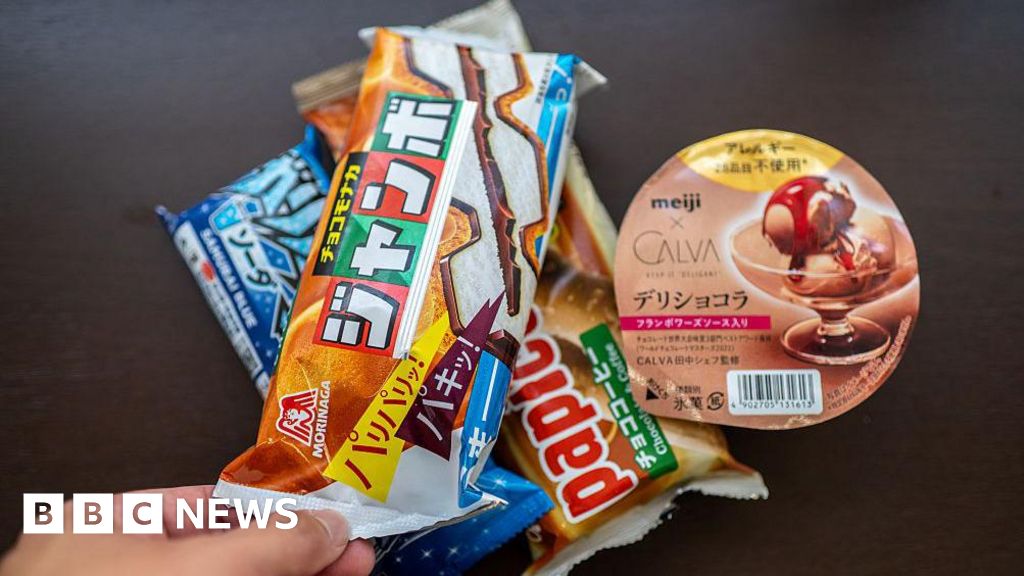
Japan's competition authority has conducted inspections at major ice cream manufacturers, including Meiji and Ezaki Glico, amid allegations of cartel behavior to inflate prices.
Japan's competition authority has launched an investigation into some of the nation's largest ice cream manufacturers, probing allegations that they have formed a cartel to artificially inflate prices.
The Japan Fair Trade Commission (JFTC) confirmed that several companies, including Meiji and Ezaki Glico, were subjected to an 'on-site inspection' due to suspicions of price-fixing related to frozen desserts. However, the JFTC has chosen not to release any statements regarding the ongoing investigation.
The JFTC's inquiry centers on allegations that these firms raised ice cream prices beyond the increases in raw material costs, despite Japan experiencing a summer with record high temperatures.
On Tuesday, the JFTC raided six companies: Meiji, Morinaga Milk Industry, Lotte, Morinaga, Ezaki Glico, and Akagi Nyugyo. The BBC has attempted to reach these companies for comments regarding the situation.
According to Japanese broadcaster NHK, which cited anonymous sources, the firms are believed to have improperly increased the prices of popular frozen desserts 'several times by 5-10% over the years.'
These brands supply their products to supermarkets and convenience stores throughout Japan. In response to the investigation, Morinaga Milk, Glico, and Meiji issued separate statements indicating their willingness to cooperate with the JFTC's inquiry.
Meiji acknowledged that it had undergone an inspection by the Fair Trade Commission due to suspicions of violating the Antimonopoly Act concerning the pricing of ice cream and other items. The company emphasized its serious approach to the inspection and its commitment to fully cooperate with the ongoing investigation.
Glico also stated its intention to respond sincerely to the JFTC's investigation and to cooperate fully with the authorities.
Earlier this year, Japan introduced a new term for days when temperatures reach 40 degrees Celsius (104 degrees Fahrenheit) or higher, following the record hot summer of 2025. The term, 'kokushobi,' has been translated by Japanese and international media as 'cruelly hot,' 'brutally hot,' or 'severely hot' day.