
H5N1 Bird Flu Detected in Australia, Marking the Virus's Spread to All Continents
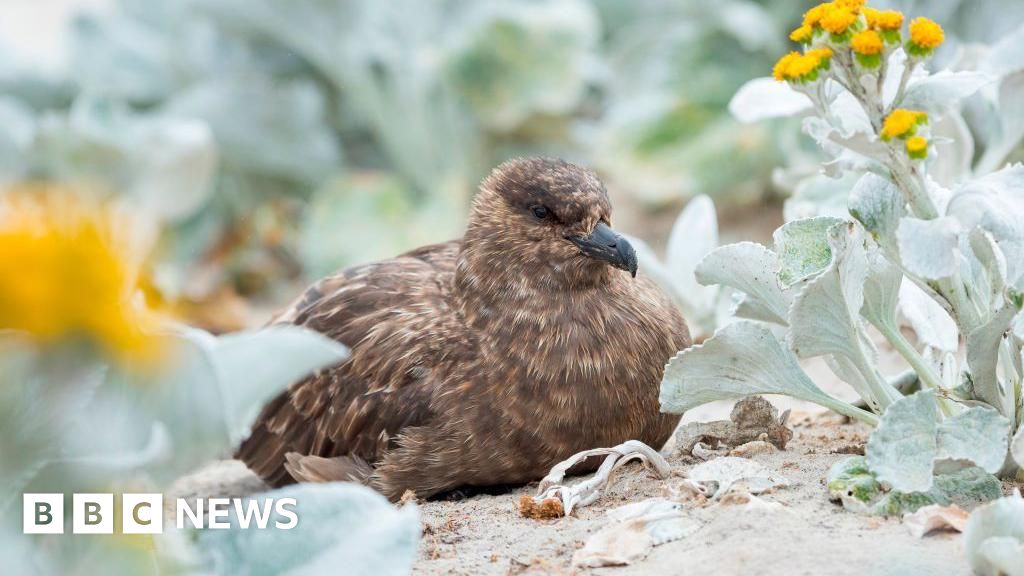
Australia's agriculture ministry has confirmed the first case of H5N1 bird flu in a brown skua, marking the virus's presence on all continents. Authorities are monitoring for further cases in local wildlife.
The H5N1 strain of bird flu has been identified in Australia for the first time, as confirmed by the country's agriculture ministry. This discovery indicates that the highly contagious virus has now been detected on every continent.
The infected bird, a brown skua, was discovered in a remote area of Western Australia. Agriculture Minister Julie Collins announced the finding during a press conference on Saturday, noting that the bird was located on a beach at Cape Le Grand National Park, situated approximately 700 kilometers (434 miles) southeast of Perth, according to local media reports.
Prior to this incident, Australia was the only continent where the H5N1 strain had not yet been reported. The strain is known for its rapid transmission among poultry and wild bird populations, although human cases linked to the virus remain relatively rare.
"We all knew we couldn't be bird flu-free forever," Collins remarked during the press briefing.
In addition to the confirmed case, there is a second suspected instance of bird flu involving a southern petrel found in a weakened state on a beach in Esperance. However, Collins emphasized that there is currently no evidence of widespread mortality among bird populations.
Fiona Fraser, the Threatened Species Commissioner, stated that authorities expect to determine whether the virus has spread to other animal populations in Australia within a few days. This information was reported by the national broadcaster, the ABC.
The Chief Veterinary Officer of Australia, Beth Cookson, noted that preparations for such an event had been ongoing for a considerable time. The emergency animal disease committee convened on Saturday to address the situation.
Previously, the H5N1 strain was detected in the remote Australian territories of Heard and McDonald Islands in October of the previous year, which are located in the southern Indian Ocean.
A recent study indicated that approximately 13,000 baby seals from a population of 17,000 on Heard Island had succumbed to the H5N1 strain since August, representing over 75% of that group. The study also reported an unexpectedly high number of deaths among penguin populations.
Scientists suggest that the introduction of bird flu to these islands likely occurred last August through migratory birds originating from the Crozet Islands, which are situated about 1,800 kilometers away.
Bird flu is a viral disease that predominantly affects birds but can also infect other animals, including foxes, seals, and otters. The major strain currently circulating among wild birds globally is a subtype known as H5N1, which first emerged in China during the late 1990s.
Migration patterns of birds have been responsible for outbreaks in both domestic and wild bird populations, and in extremely rare instances, the virus has also infected humans, typically through contact with infected animals.