Go's IPO Fuels Robotaxi Plans and Acquisitions Amid Japan's Driver Shortage
Go's IPO has raised ¥88.6 billion to tackle Japan's driver shortage by expanding into robotaxis and pursuing acquisitions, marking a significant moment in the country's listing season.
Go's initial public offering (IPO) on Tuesday has become Japan's largest for the year, significantly impacting the nation's sluggish listing season. The taxi-hailing app has raised ¥88.6 billion (approximately $553 million), which it plans to utilize to address a pressing issue: the shortage of taxi drivers in Japan.
A company spokesperson stated, "We intend to use the proceeds from the sale of newly issued shares toward investment in research and development related to robotaxis and investment in business expansions, including strategic mergers and acquisitions in our business inside and outside of the taxi industry."
The launch of Go's IPO occurred during a notably quiet period for public listings in Japan, coinciding with government advice for startups to consider selling rather than going public. The IPO attracted investments from significant global institutional investors, including BlackRock, Wellington Management, and M&G Investment Management, highlighting where foreign capital is currently directed in Japan. However, the stock has seen a decline, closing at ¥2,314 on Friday, about 4% lower than its offering price of ¥2,400.
Japan's taxi industry is facing a critical driver shortage, with the number of taxi drivers decreasing by approximately 20% in recent years, as reported by Japan's Ministry of Land, Infrastructure, Transport and Tourism. This trend is exacerbated by an aging population, making recovery unlikely. Although ride-share services were introduced in Japan in 2024, they are limited to specific regions and require drivers to be affiliated with taxi companies, which has not significantly alleviated the driver shortage.
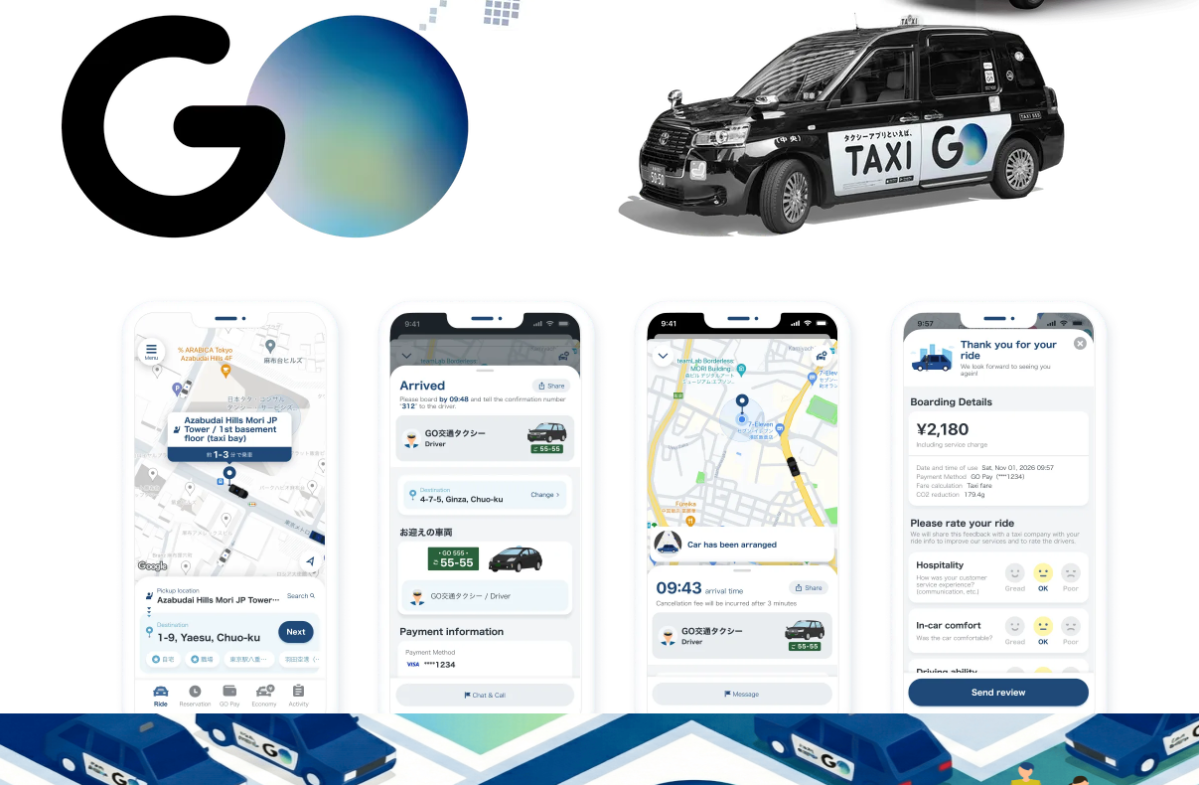
Founded in 1977, Go has evolved from a taxi operator to the largest ride-hailing app in Japan, boasting 35 million downloads, 85,000 partner vehicles, and commanding an 80% market share in the country's taxi app sector, covering 46 out of 47 prefectures. The company envisions robotaxis as a crucial component of its future, although there is no clear timeline for when this vision will be realized.
Go has established a partnership with Waymo, the autonomous driving division of Alphabet, and Nihon Kotsu, one of Japan's leading taxi operators. According to the spokesperson, Go is tasked with coordinating the strategic aspects of this collaboration. CEO Hiroshi Nakajima has previously indicated that Go does not plan to invest directly in autonomous driving technology, as reported by Nikkei Asia.
The timeline for launching fully autonomous operations remains undefined. The spokesperson noted, "We plan to begin driving fully autonomously, without a human specialist present, when we validate our technology and receive approval to do so."
In the meantime, Go is exploring strategies to enhance its traditional business model. The company has partnered with Kakao T, Alipay, and WeChat Pay, enabling travelers from South Korea, China, and Taiwan to hail Go-affiliated taxis directly through their local applications.
Go is not alone in pursuing the future of robotaxis in Tokyo. In March, Uber, Wayve, and Nissan announced their plans to pilot robotaxi services in Tokyo by late 2026, marking Uber's inaugural partnership for autonomous vehicles in Japan. This service will utilize Nissan Leaf electric vehicles powered by Wayve’s AI Driver, accessible through the Uber app. Additionally, Uber has collaborated with S.Ride to facilitate ride bookings for international visitors via the Uber platform. Didi Mobility Japan, a joint venture between SoftBank and Didi Chuxing, has established a similar arrangement.