
Ebola Outbreak in DR Congo: Celebrations Amidst Struggles Against the Virus
In the Democratic Republic of Congo, communities celebrate successful Ebola recoveries while facing a deadly outbreak that has claimed over 170 lives.
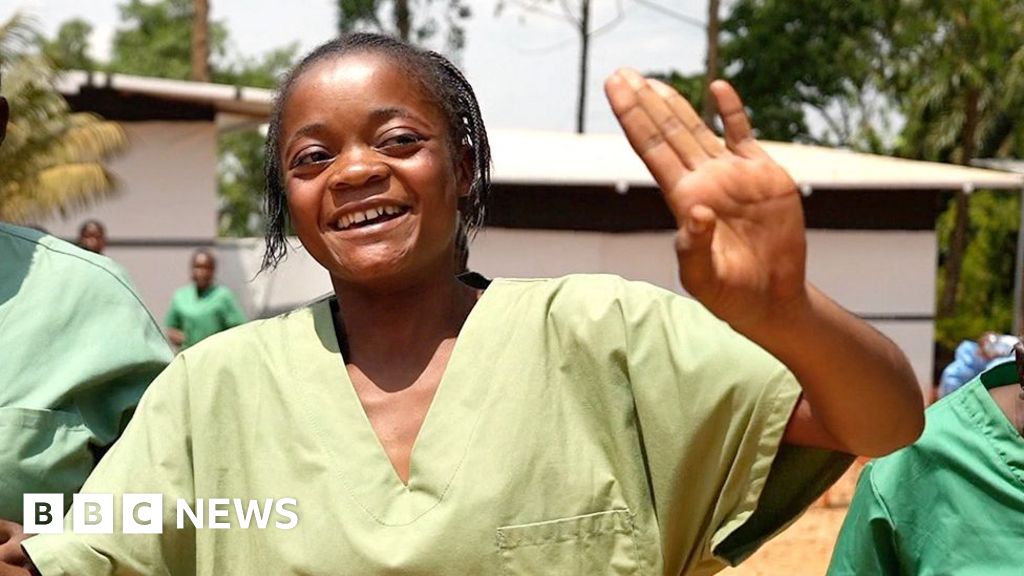
In a region severely affected by the Ebola virus, there are moments of joy as successful recoveries are celebrated. At a hospital in north-eastern Democratic Republic of Congo (DR Congo), healthcare workers marked the recovery of Daniel Kitambala, who was treated for approximately three weeks. On Friday, they sang songs of praise as they escorted him out of the clinic, confirming his recovery with two negative Ebola tests.
Kitambala, a 49-year-old subsistence farmer, expressed his relief and gratitude, stating, "That disease is terrible. I was feeling very ill [when I came here]. But God is great, I am well now." He left the treatment centre smiling, carrying a black bag with his sterilized belongings, as the medical staff cheered him on.
The outbreak, which began just over a month ago in Ituri province, has resulted in the deaths of more than 140 individuals due to the Bundibugyo strain of the virus. This strain is particularly deadly, with a fatality rate of around 20 percent among known cases. Authorities are now focused on controlling the spread of the virus, which may have been circulating undetected prior to the outbreak declaration.
The local community faces significant challenges, including entrenched myths surrounding the disease. Some believe it is caused by a so-called "coffin curse," leading to mistrust of treatment efforts. Despite the dire circumstances, the recovery of patients like Kitambala serves as a beacon of hope. He urged others to seek medical help when they fall ill, saying, "People should seek treatment when they fall ill."
Dr. Richard Lukodu, the medical director at Mongbwalu hospital, noted the positive impact of recoveries on community attitudes. He reported an increase in the number of people seeking treatment since the first recovery was announced. However, the hospital has also faced violence; on May 21, a tent designated for Ebola patients was set ablaze amid community fears and misinformation.
Misinformation has been rampant since early February, when an incident involving a coffin led to a spike in infections. Mayor Sesereki Mandro Israel recounted how a family transporting a body from Bunia suffered a mishap that led to the coffin being burned, which sparked fears of a curse. He described a grim period where up to ten deaths occurred daily due to the outbreak.
Improved medical practices and the establishment of a local laboratory capable of rapid testing have been initiated to combat the virus. Previously, results had taken over a week to obtain from a remote laboratory in Bunia, but the new facility can provide results within a day, which is crucial for timely treatment.
Despite the progress, medical staff remain at high risk. Dr. Lukodu reported that five healthcare workers have died due to the outbreak, and several more are currently being treated for the virus. Enhanced safety protocols have been implemented to mitigate infection risks among medics.
In another affected town, Rwampara, a treatment centre was also set on fire shortly after the one in Mongbwalu. It has since reopened, allowing for restricted visiting hours for families to see their loved ones. Patients are kept in separate cubicles, and strict protocols are in place to prevent interaction with visitors and medical staff.
Mireille Gahindo, a mother recovering from Ebola, expressed her eagerness to return home to her two older children. She had initially sought treatment for her young child, who developed severe symptoms, only to test positive for the virus herself. Both are now on the mend, though stringent testing protocols must be followed before they can be discharged.
Families across Ituri province are deeply affected by the outbreak, with many knowing someone who has succumbed to the virus. Eli Asimwe Bawere shared his grief, having lost family members to suspected Ebola. As the community grapples with loss, each recovery offers a glimmer of hope for controlling the outbreak.
However, health officials caution that significant work remains. To prevent further spread, all individuals who had contact with infected persons need to be traced. Many contacts have yet to be identified, and until this is accomplished, optimism may be fleeting.