
Bird Flu Claims Over 75% of Baby Seals on Australian Islands, Study Reveals
Research indicates that the H5N1 strain of bird flu has resulted in the deaths of approximately 13,000 southern elephant seal pups on Heard Island, marking a significant impact on the population.
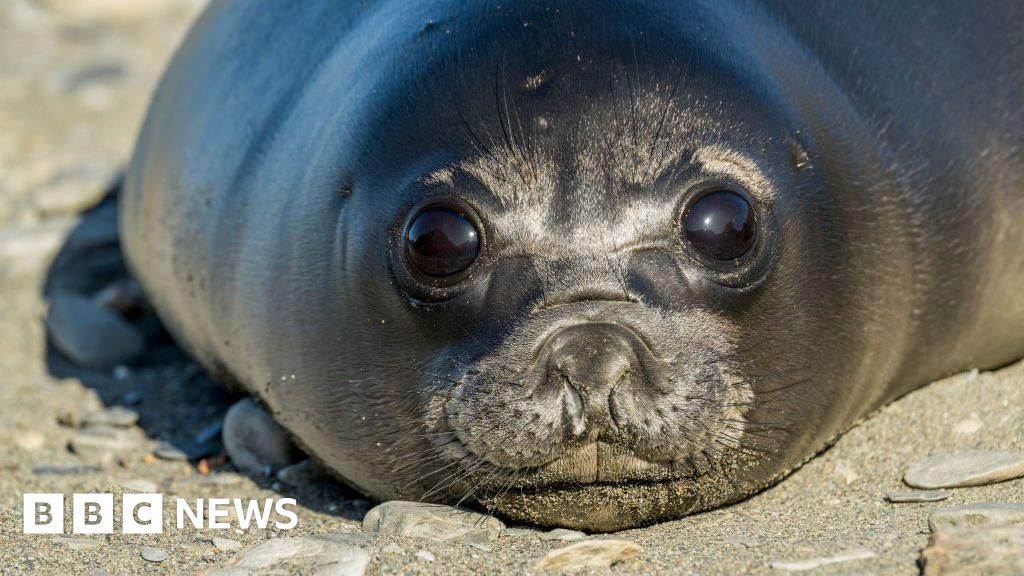
Recent research has revealed that bird flu has devastated the population of southern elephant seal pups on Heard Island, a remote Australian territory in the Antarctic. The study indicates that approximately 13,000 seal pups have succumbed to the H5N1 strain of bird flu, representing over 75% of the total group of 17,000 seal pups on the island.
Heard and McDonald Islands, located about 4,000 kilometers (2,485 miles) south-west of Australia, are known for their diverse wildlife, including over one million breeding seabirds and seals. The findings were based on data collected during drone surveys and ground visits, which occurred last October and this January.
The research, published in the scientific journal BioRxiv but not yet peer-reviewed, highlighted that the bird flu outbreak has primarily affected southern elephant seal pups, with fewer impacts noted in king and gentoo penguins. Last year, scientists were alerted to the crisis when they discovered hundreds of deceased baby seals during a research voyage.
According to the report, the estimated death toll of 13,359 baby seals from the Heard Island population may be conservative, as pups were still perishing during the final surveys. In a specific area, mortality rates reached as high as 97%. The study also noted that several hundred adult king penguins had died, although this number was deemed low relative to the overall population.
Dr. Julie McInnes, the lead author of the study and a wildlife biologist, emphasized that these observations mark the first detection of the H5N1 strain in an Australian external territory, illustrating the virus's continued eastward spread around the sub-Antarctic regions. She noted that the mortality patterns observed here are similar to those seen on other sub-Antarctic islands, such as South Georgia, where elephant seals were notably affected.
The report further indicated that there were no unusual mortality events among the albatross population or two endemic species, namely the Heard Island shad and the black-faced sheathbill. Environment Minister Murray Watt responded to the findings, describing the seal deaths as "sobering" and stressing the need for Australia to remain vigilant in preparing for the potential arrival of the virus on the mainland.
Scientists suspect that the H5N1 strain was likely introduced to the islands in August last year by migratory birds from the French-owned Crozet Islands, which are located approximately 1,800 kilometers away. The Australian Antarctic Program, a collaboration between government and research institutions, is committed to ongoing monitoring for signs of bird flu in its territories.