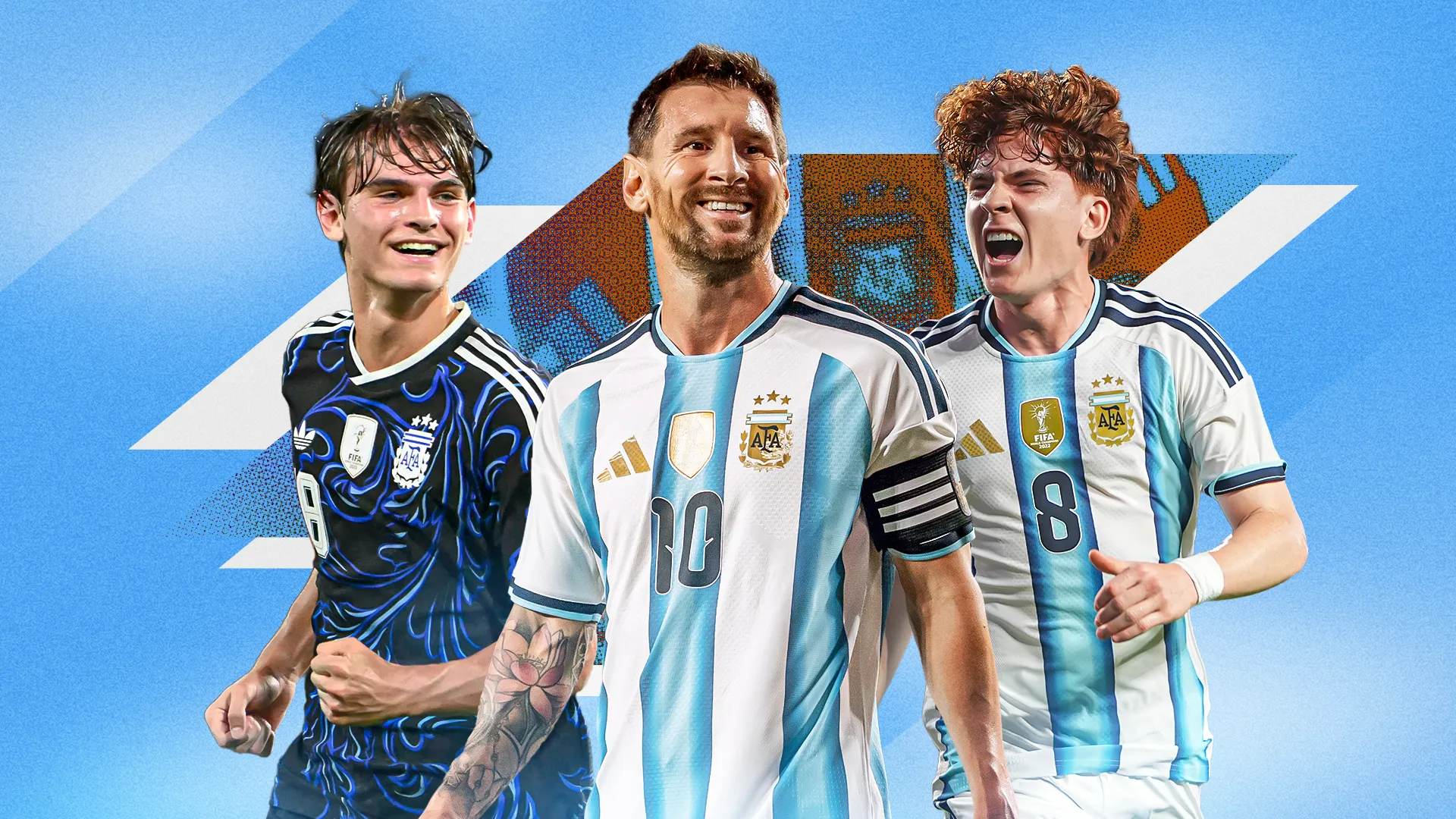
Argentina's World Cup Journey: Balancing Experience and Youth for Messi's Farewell
As Argentina prepares for the 2026 World Cup, coach Lionel Scaloni faces the challenge of integrating younger talent while relying on an experienced core to support Lionel Messi in his final tournament.
Lionel Scaloni has maintained an impeccable record as the manager of Argentina, leading the national team to three consecutive tournament victories. His tenure includes winning the 2022 World Cup, along with two Copa America titles in 2021 and 2024, a remarkable achievement for a coach in his first managerial role.
While repeating the feat of winning back-to-back World Cups is a rare accomplishment, Argentina aims to achieve this milestone. Historically, Italy was the first to win consecutive titles in 1934 and 1938, followed by Brazil in 1962. Since then, defending champions have struggled, with only France in 2022 managing to advance past the group stage, amidst a series of early exits by previous winners such as Germany and Spain.
The upcoming 2026 World Cup will feature a new 48-team format, which, along with a favorable draw, could benefit Argentina as they seek to replicate their past success. However, for Scaloni to lead Argentina deep into the tournament again, he may need to transition to the next generation of players.
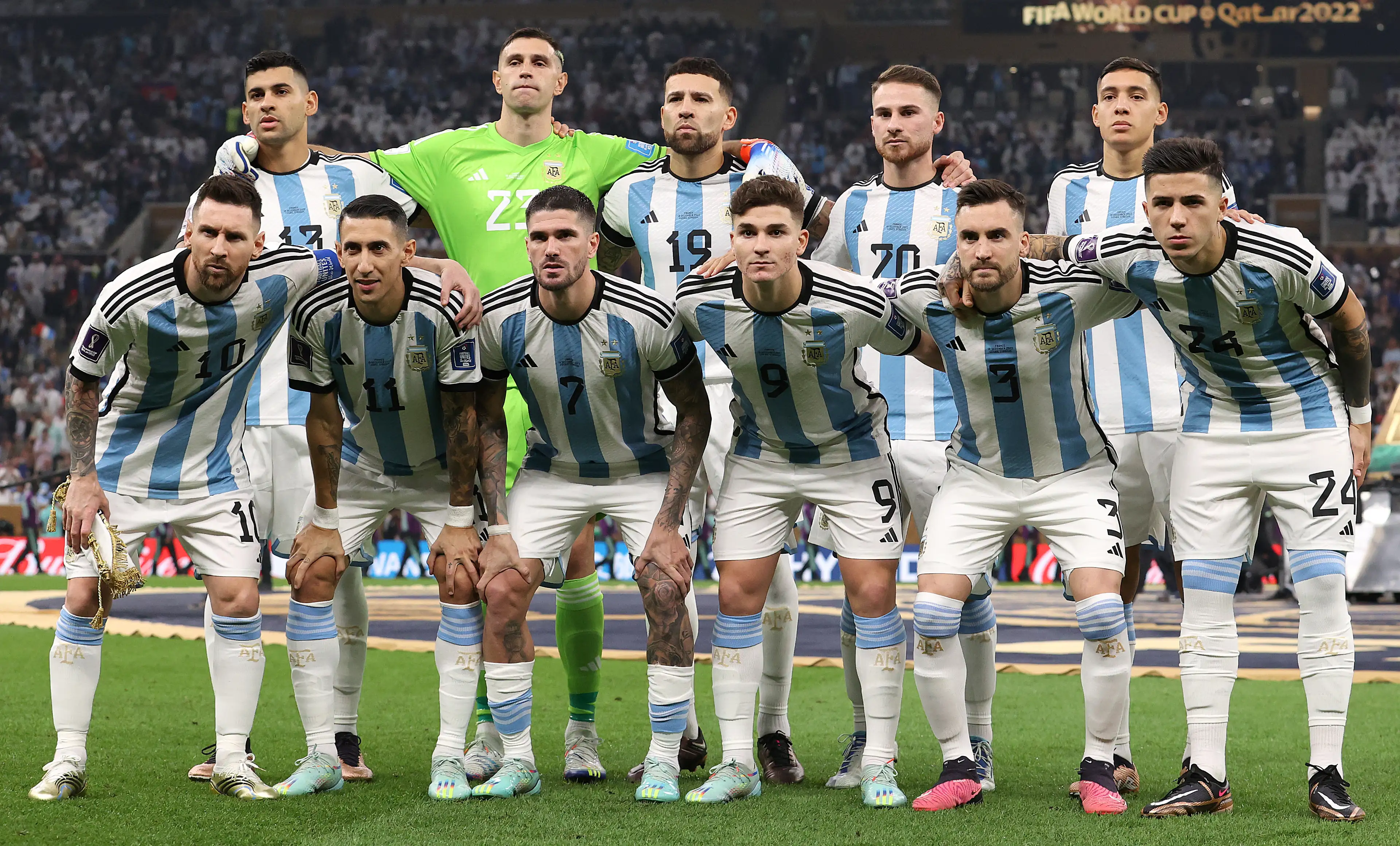
Argentina has arrived at their training camp in Kansas City with a squad that largely mirrors the team that triumphed in Qatar three and a half years ago. Out of the 26-man roster, 17 players were part of the 2022 squad, with the notable absence of Angel Di Maria, who retired from international football after being named Player of the Match in the 2024 Copa America final.
This continuity highlights the consistent selection strategy that has characterized Scaloni’s successful era. Sixteen players from the current squad were part of the team that won the Copa America in 2021. In contrast, Brazil has only retained 11 players from their squad five years ago, including three goalkeepers, while England has kept just nine players since their Euro 2020 final appearance.
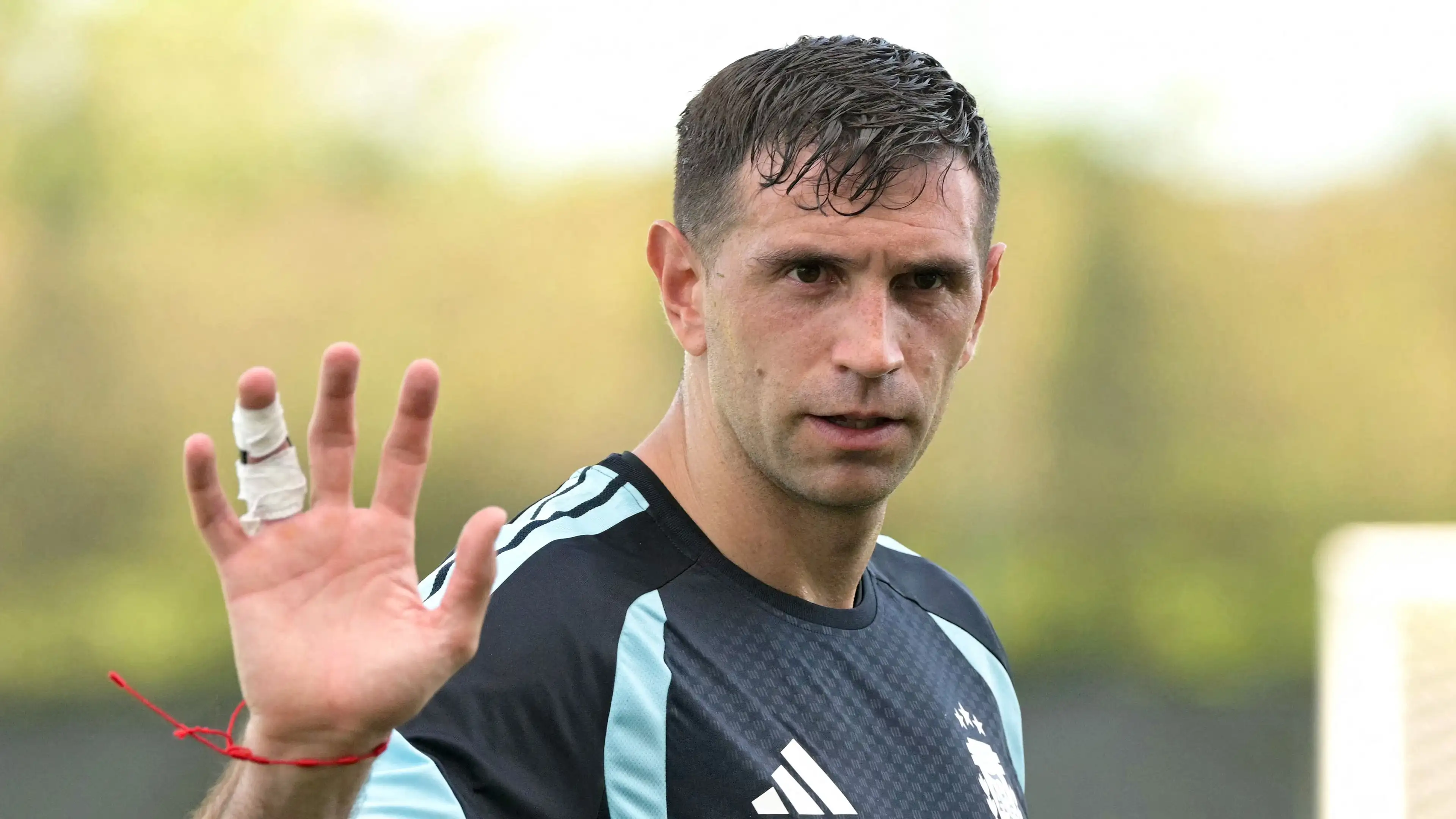
Despite the strong bond developed among the players over the past five years, concerns arise regarding the aging roster, as nine squad members are over 30, including pivotal players such as Emiliano Martinez, Rodrigo De Paul, and Lionel Messi, who will be 39 during his record sixth World Cup.
On the younger side, only three players—Giuliano Simeone, Valentin Barco, and Nico Paz—are under 25, following the exclusion of talents like Franco Mastantuono and Alejandro Garnacho.
With an average age exceeding 29, questions linger about how much energy Scaloni’s key players have left after a demanding few years. Along with the upcoming Copa America, many players participated in last summer’s Club World Cup, leading to a grueling schedule for some.
Key midfielder Enzo Fernandez and star striker Julian Alvarez have each played 121 games for club and country since the start of the 2024-25 season. Given this heavy workload, Alvarez had to be carefully managed towards the end of Atletico Madrid’s season due to an ankle issue, while Fernandez, despite being in prime physical condition, may also feel the effects of fatigue.
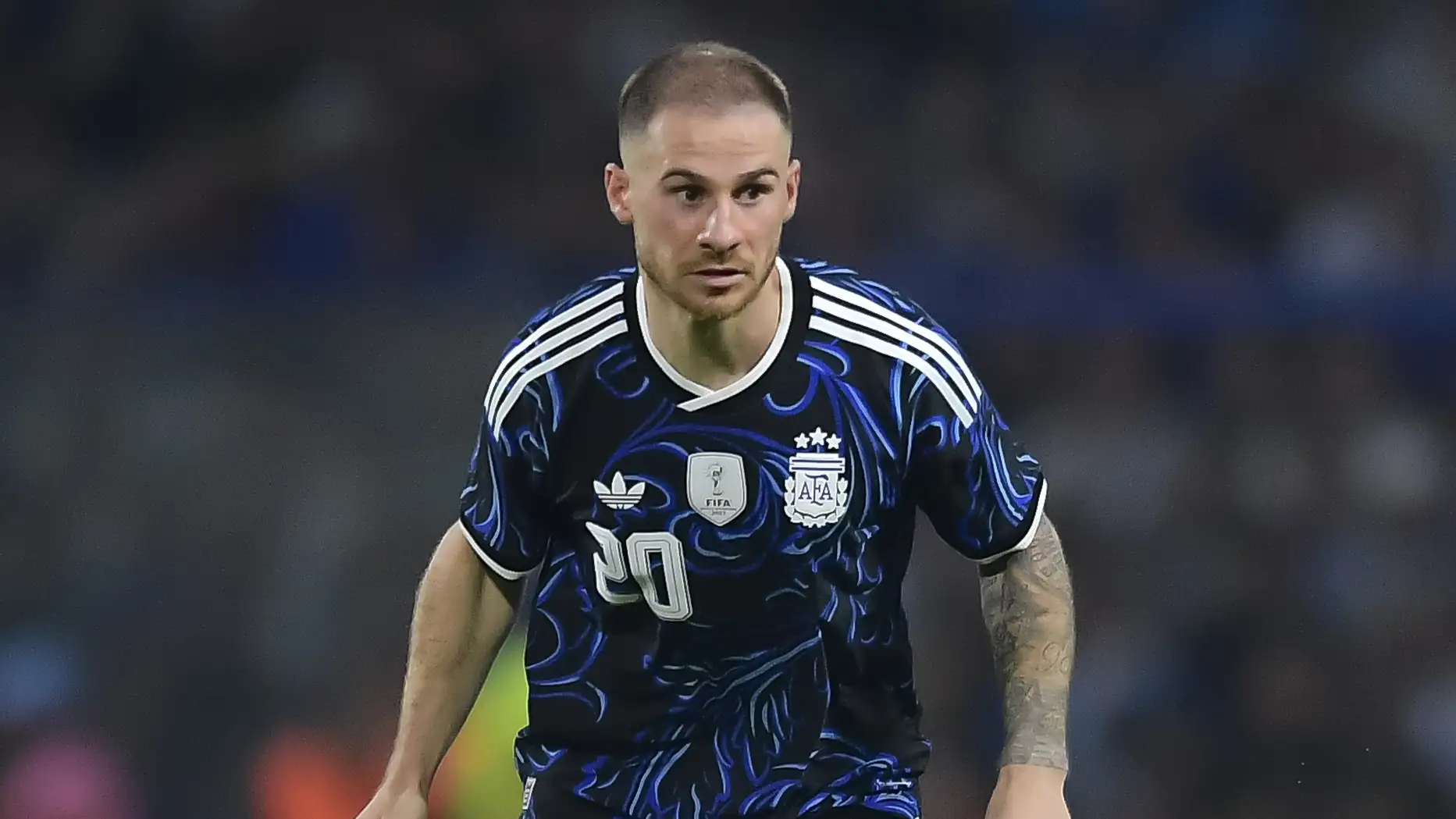
Alexis Mac Allister’s performance has noticeably declined, attributed in part to the physical toll of his commitments. Although he did not compete in the Club World Cup, he has accumulated 119 appearances for club and country over the past two seasons and is expected to start Argentina’s opening match against Algeria. Observations from former Liverpool winger Jermaine Pennant highlighted Mac Allister’s struggles, noting that he seems to have lost his edge since returning from a pre-season injury.
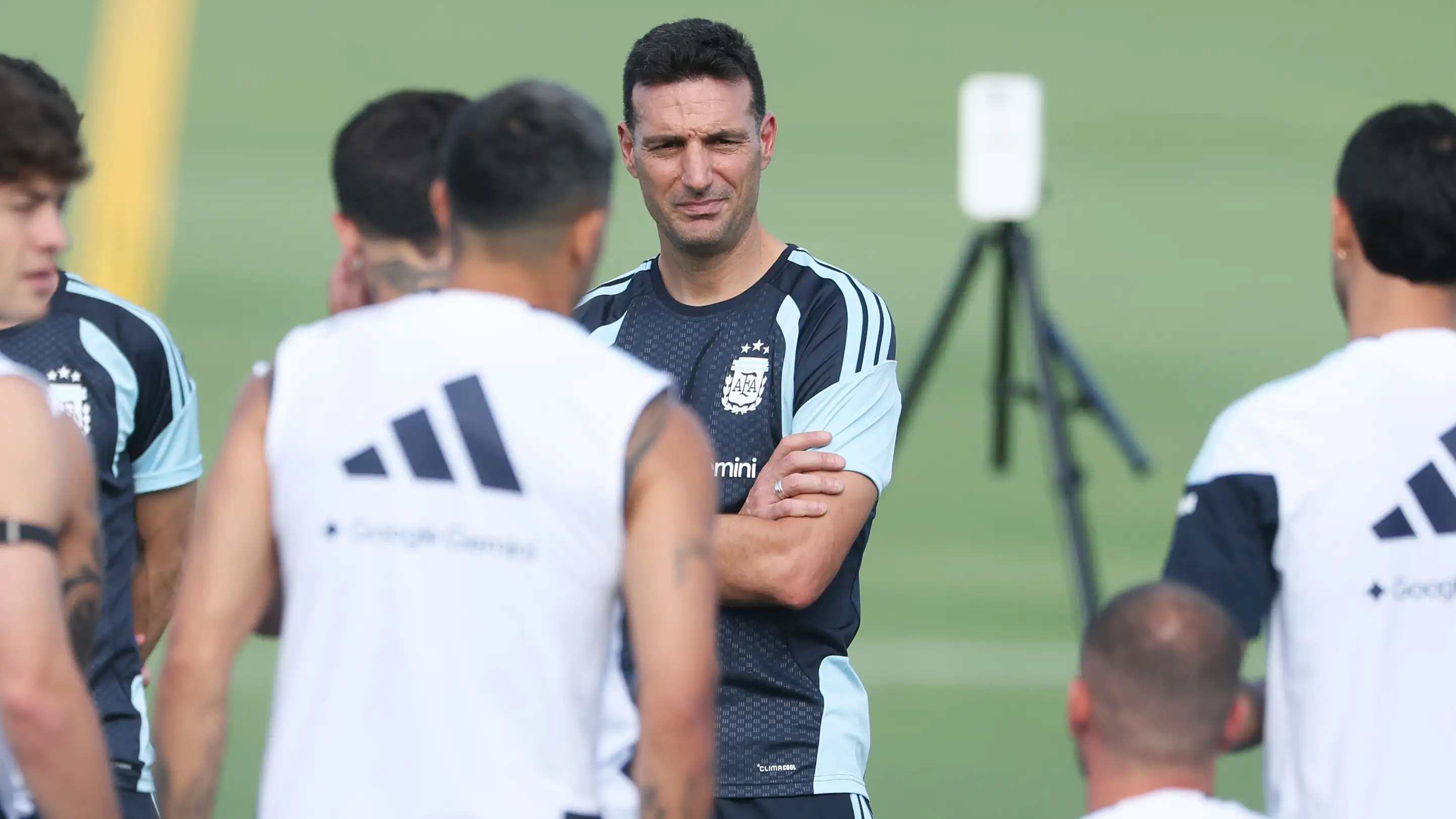
Scaloni appears committed to relying on the core players who have consistently delivered results in tournaments. Seven players who started the 2022 World Cup final are set to feature again against Algeria, although this number could have been higher had Alvarez, Nicolas Tagliafico, and Nahuel Molina not been nursing minor injuries.
Key players such as Cristian Romero, Nicolas Otamendi, Fernandez, De Paul, Mac Allister, and Messi are anticipated to play crucial roles, with Lautaro Martinez, the 2024 Copa America Golden Boot winner, expected to step in for Alvarez up front. While this team has a proven track record, Scaloni may need to introduce younger players if Argentina hopes to progress further in the tournament.
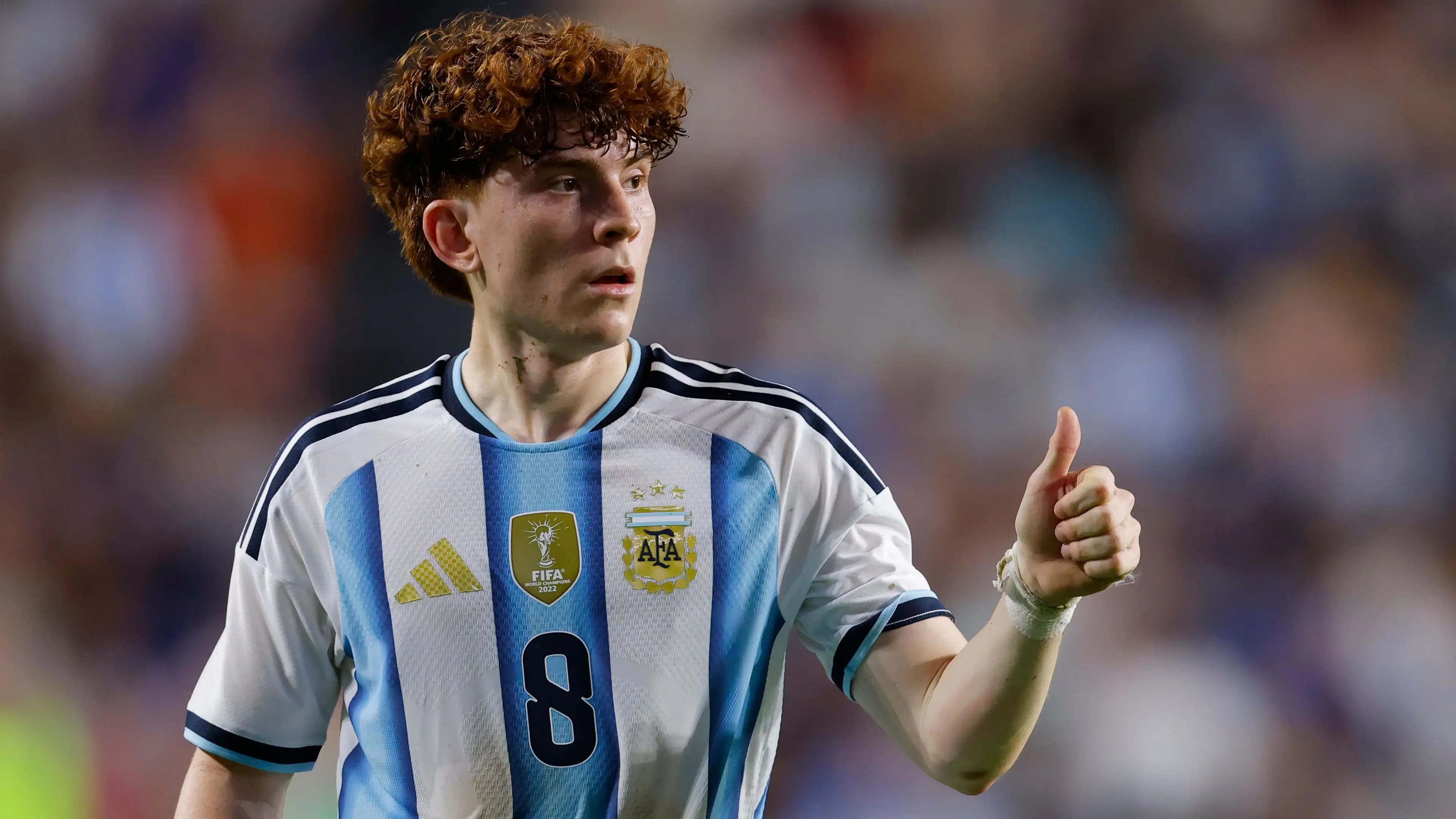
Scaloni's cautious approach is evident in his selection for left-back against Algeria. With Tagliafico unavailable, Barco would have been a logical choice following his strong performances in recent friendlies. While Barco, who is expected to join Chelsea this summer, has scored in two of Argentina's last three matches, he typically plays as a left-back and could bring much-needed energy to the squad.
Instead, Scaloni plans to assign Manchester United’s Lisandro Martinez the task of containing Algeria’s experienced player Riyad Mahrez. Although Martinez is defensively reliable, his background as a center-back may limit his offensive contributions.
Simeone is also set to start in an unfamiliar right-back role due to the recoveries of Molina and Gonzalo Montiel, who are not yet ready for extended playtime.
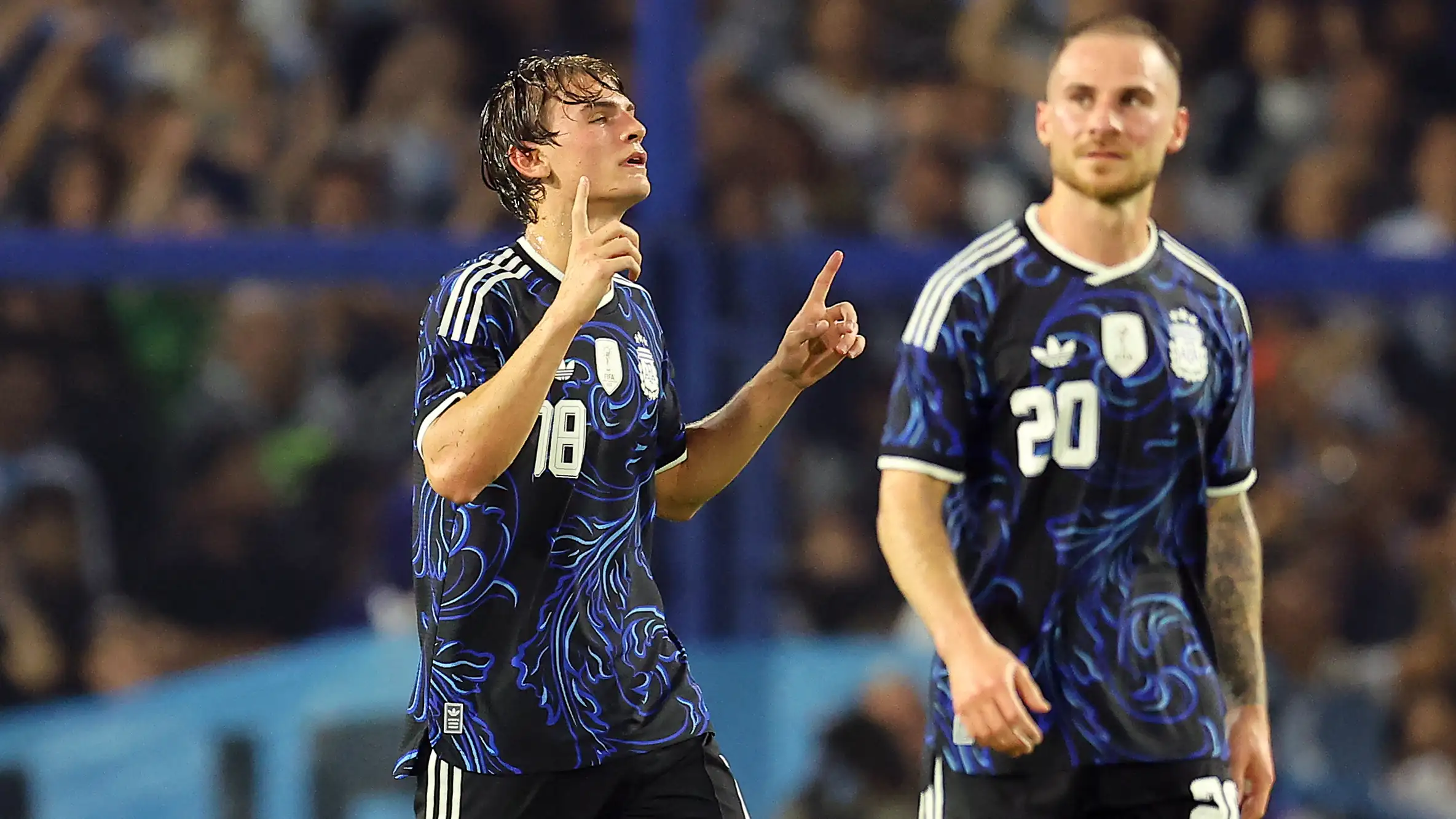
The most significant discussion about Argentina's transition involves Nico Paz, the 21-year-old standout from Como in Italy. Under the guidance of Cesc Fabregas, Paz enjoyed a stellar season, netting 13 goals and assisting seven others, earning a fourth-place finish and Champions League qualification for his team. He was also recognized as the Best Midfielder at Serie A's end-of-season awards, and Real Madrid is rumored to activate a buy-back clause in his contract this summer.
Paz's creativity and willingness to take risks with the ball contrast sharply with Mac Allister's recent form. Although Paz may begin the tournament on the bench due to a minor knee injury, Scaloni needs to remain open to integrating fresh talent if the team's performance falters.
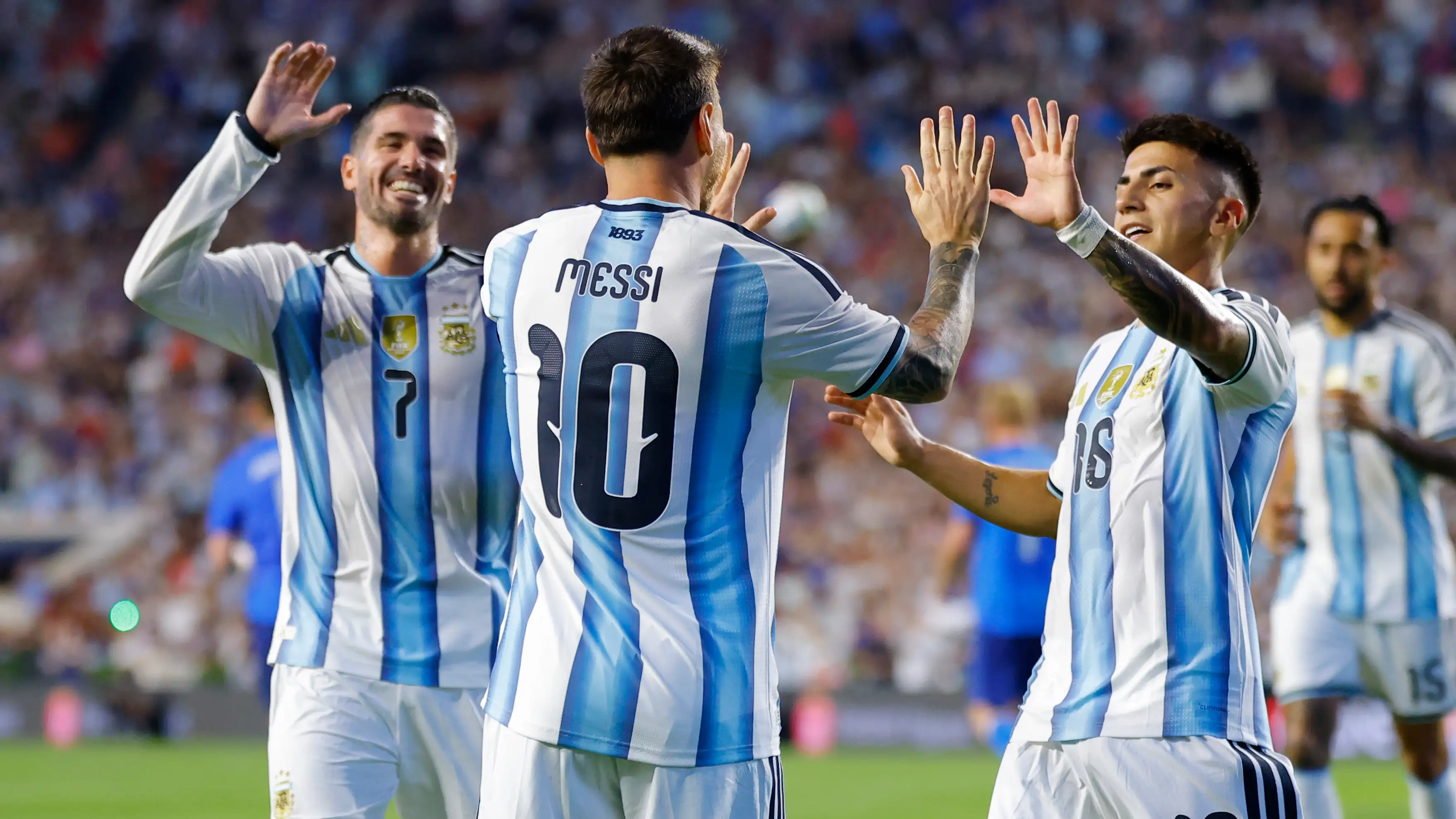
Scaloni's previous decisions, such as introducing the then-21-year-old Fernandez during the Qatar group stage, have proven pivotal. While his loyalty to established players is commendable, making challenging decisions will be essential for aiming for a fourth consecutive title, especially considering Argentina's potentially challenging path to the final.
If Argentina secures the top spot in Group J, they will face the runners-up from Group H—likely either Spain or Uruguay—in the round of 32. A victory there could lead to a manageable last-16 matchup against the runners-up from Group D (currently Australia) or Group G (potentially Belgium, Egypt, or Iran).
The quarter-finals could pose a greater challenge, with Portugal anticipated as the likely opponent if seeding holds, setting up a highly anticipated clash between Messi and Cristiano Ronaldo, potentially their last World Cup encounter. By that stage, it is hoped that Scaloni will have identified his optimal lineup to provide Messi with the best farewell possible, which may include incorporating younger squad members.