
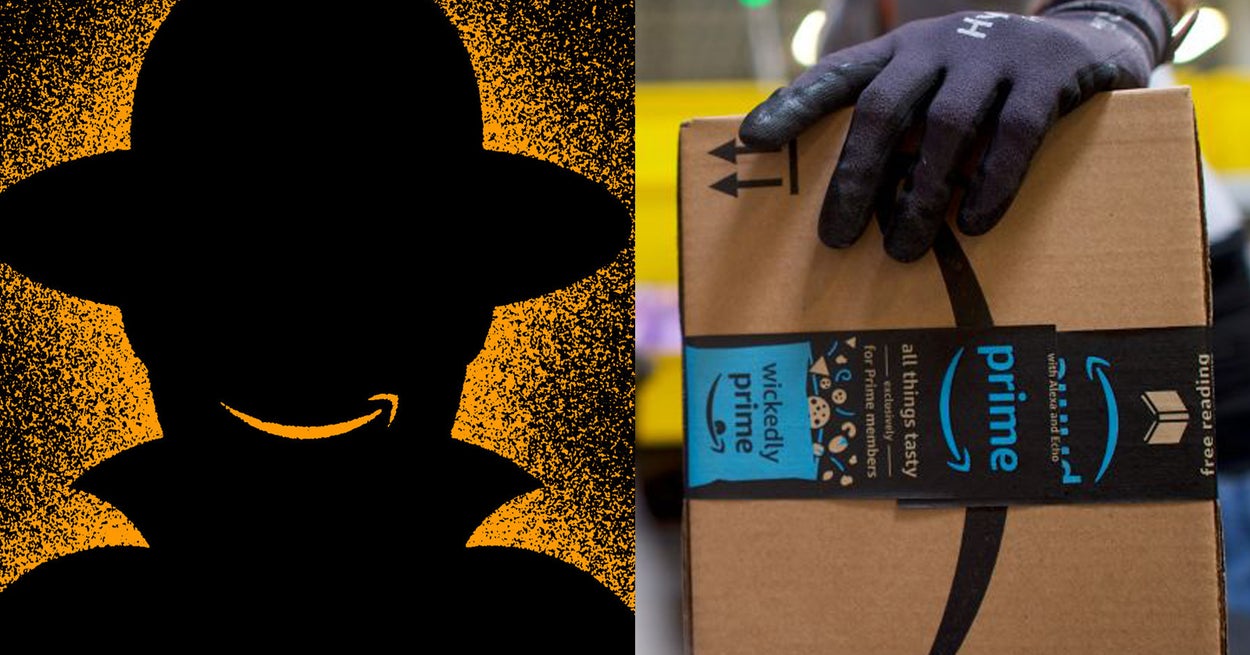
Amazon Sellers Turn to Black Hat Tactics, Paying Up to $10,000 Monthly for Ranking Manipulation
A growing number of Amazon sellers are resorting to black hat services, paying up to $10,000 monthly to manipulate rankings and reviews in a highly competitive marketplace.
In the vast ecosystem of Amazon's marketplace, third-party sellers face relentless competition to maintain visibility and sales. To achieve high rankings in search results and garner positive reviews, some sellers are engaging in questionable practices that include bribery and manipulation through so-called black hat services. This trend has emerged as a response to the challenges posed by Amazon's own branded products and the complexities of its ranking algorithms, as reported by BuzzFeed News.
Black hat companies in the U.S. have surfaced, offering services that claim to give sellers an edge in Amazon's competitive marketplace. These companies provide methods to manipulate the ranking system, protect accounts from penalties, and undermine competitors. Reports indicate that these firms sometimes resort to bribing Amazon employees to gain access to sensitive information, which they then sell to sellers at exorbitant rates. For instance, one black hat firm charges up to $10,000 per month to help sellers achieve top search rankings.
The tactics employed by these companies include removing negative reviews, exploiting loopholes in Amazon's system, and misleading consumers, which ultimately erodes trust in the platform. Renee DiResta, director of research at cybersecurity firm New Knowledge, commented on the issue, stating, "The extent to which sellers go to game the system, and the amount of resources they devote to doing it, is a testament to how Amazon's recommendation and ranking algorithms shape consumption."
Despite Amazon's efforts to combat fraudulent activities on its platform, the black hat economy thrives. Many sellers reported that the prevalence of these tactics makes it difficult for honest sellers to compete, as new sellers employing black hat strategies quickly replace those who get banned. Amazon, while acknowledging the existence of such actors, maintains that they represent only a minor fraction of marketplace activity.
As Amazon's third-party sellers account for 58% of total sales, equating to $160 billion compared to $117 billion from Amazon's own retail sales, the stakes have never been higher. Davide Nicolucci, founder of an Amazon marketing consulting firm, criticized these black hat tactics, emphasizing that the marketplace's competitiveness has forced some sellers to abandon ethical practices.
In addition to the high costs of black hat services, some sellers face a daunting decision: comply with Amazon's rules and risk losing business or engage in unethical practices to survive. A consultant noted, "Amazon is so slow in responding to cases, by the time Amazon resolves your issue, you’ve lost so much money you might as well do black hat. It’s crazy. It’s a war."
The black hat services are often marketed openly, with tutorials available on platforms like YouTube. For example, AmzPandora, a now-defunct site, offered a range of services from $1 for a single thumbs-up on a review to $10,000 to reinstate a suspended account. The site disappeared following inquiries from BuzzFeed News but was known for its extensive menu of manipulation services.
Consultants like John Zhu, who operated AmzPandora, claimed that many of their services merely scrape publicly available data and do not violate Amazon’s terms of service. However, Zhu also admitted during a seminar that he utilizes information directly from Amazon employees, advising clients to keep their tactics discreet to avoid detection.
Amazon has stated that it employs sophisticated systems to monitor and restrict access to sensitive information and that employees who violate company ethics face severe penalties. The company expressed its commitment to combating manipulation and ensuring the integrity of its marketplace.
Another consultant, who wished to remain anonymous, revealed that he could reinstate suspended accounts for a fee, even offering solutions for sellers accused of selling counterfeit goods. He acknowledged the risks involved but framed his work as a necessary response to the overwhelming power of Amazon over small sellers.
The black hat economy is not limited to a few players; it has become a widespread practice among sellers who feel pressured to compete. A seller utilizing black hat services shared his experience, stating, "Everybody is doing it. People have to survive, so of course they’re going to do it." This sentiment reflects a growing frustration among sellers who wish to operate ethically but feel compelled to engage in unethical tactics to remain viable in the marketplace.
Overall, the rise of black hat services highlights the ongoing challenges within Amazon’s marketplace, where ethical sellers struggle to navigate a landscape increasingly dominated by manipulation and deceit.