AI's Demand for Hardware Could Lead to Higher Apple Product Prices
Apple CEO Tim Cook warns that rising memory chip costs due to AI demands may lead to price increases for future devices, including the iPhone.
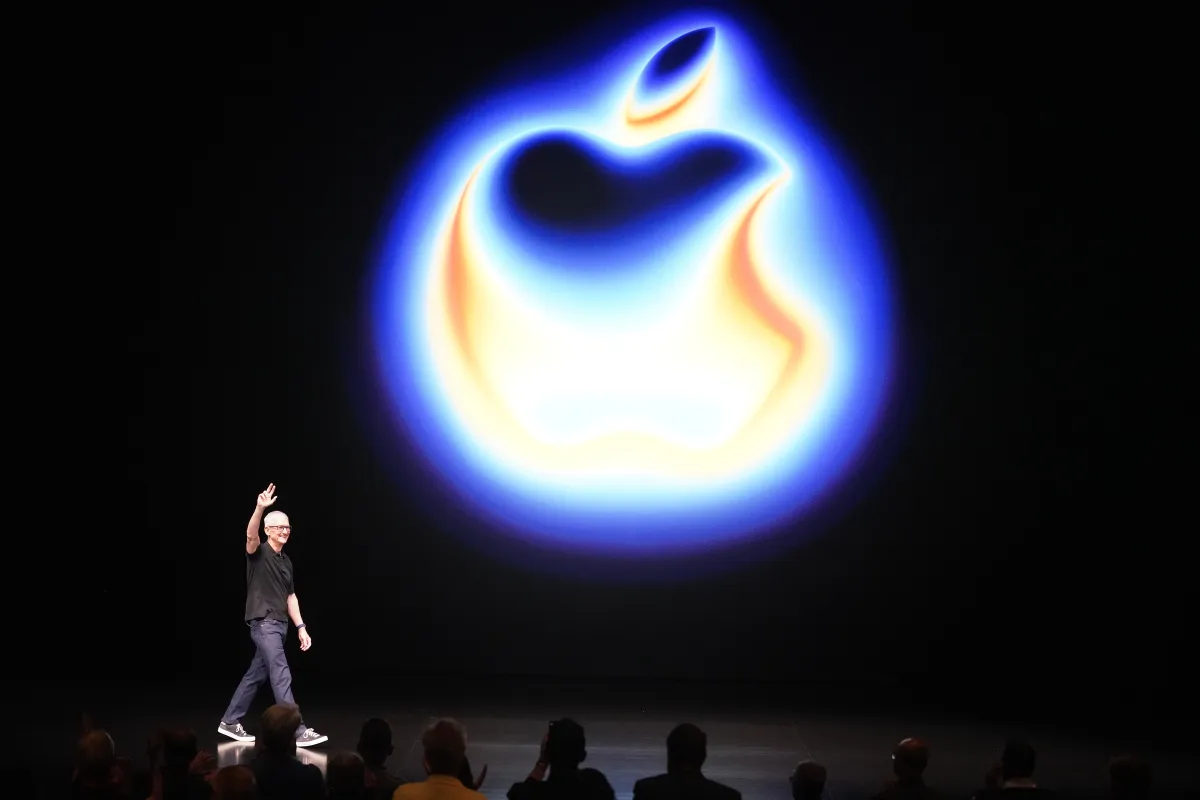
The term "RAMageddon" has emerged to describe the global shortage of memory chips caused by the soaring demand from artificial intelligence. Tim Cook, the outgoing CEO of Apple, has recently indicated that this situation could lead to increased prices for the company's devices, including Macs, iPhones, and iPads, due to rising costs of memory and storage chips.
In an interview with the Wall Street Journal, Cook stated that price increases are "unavoidable" despite Apple's attempts to absorb the costs of memory chips, which have reportedly quadrupled in price over the past year. He characterized the current state of affairs as "unsustainable."
While Cook did not specify which products would see price hikes or the timeline for these increases, he had previously alerted stakeholders about the potential impacts of RAMageddon on Apple’s business. In April, following a record quarterly sales report, he expressed concerns that higher chip costs could affect future business results. Incoming CEO John Ternus echoed these concerns earlier in the same month.
Experts in memory supply have indicated that if Apple does raise prices, the iPhone is likely to be among the first products affected. The company is anticipated to unveil its next iPhone model in September, which presents a potential opportunity to announce increased prices. Beyond the iPhone, Apple also manufactures a variety of other devices that utilize memory (DRAM) and storage (NAND) chips, such as the Apple Watch, Mac, iPad, and Apple Vision Pro.

The specific extent of price increases for these devices remains uncertain. However, research firm TechInsights provided an estimate to the Wall Street Journal, suggesting that Apple might need to add approximately $270 to the price of the next iPhone Pro to maintain its profit margins. Currently, the starting price for the iPhone 17 Pro is set at $1,099.
Despite the challenges posed by AI, it has not yet proven to be a significant advantage for Apple. The company is under increasing pressure to define its AI strategy for its products. Earlier this year, Apple paid a settlement of $250 million to resolve a false advertising lawsuit linked to its failure to deliver promised AI features from two years ago.
At the Worldwide Developers Conference held earlier this month, Apple showcased advancements in fulfilling its previous AI commitments, including a significant update to Siri. However, the push for more on-device processing may lead to an even greater demand for memory, suggesting a trend that could ultimately result in higher costs for consumers purchasing Apple products.